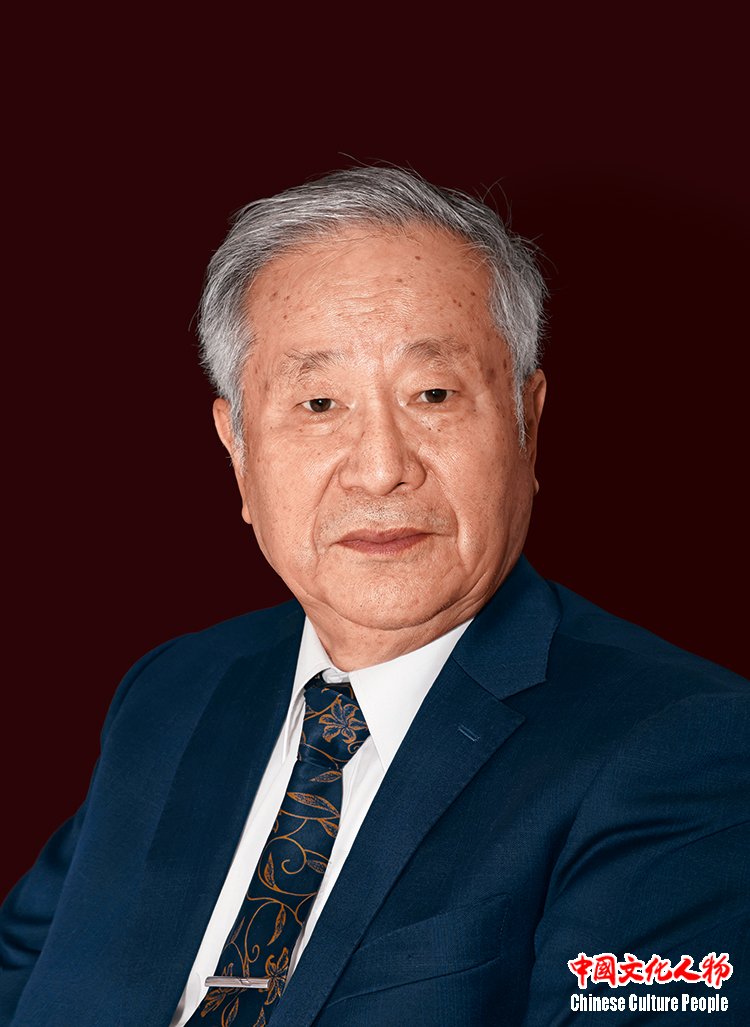
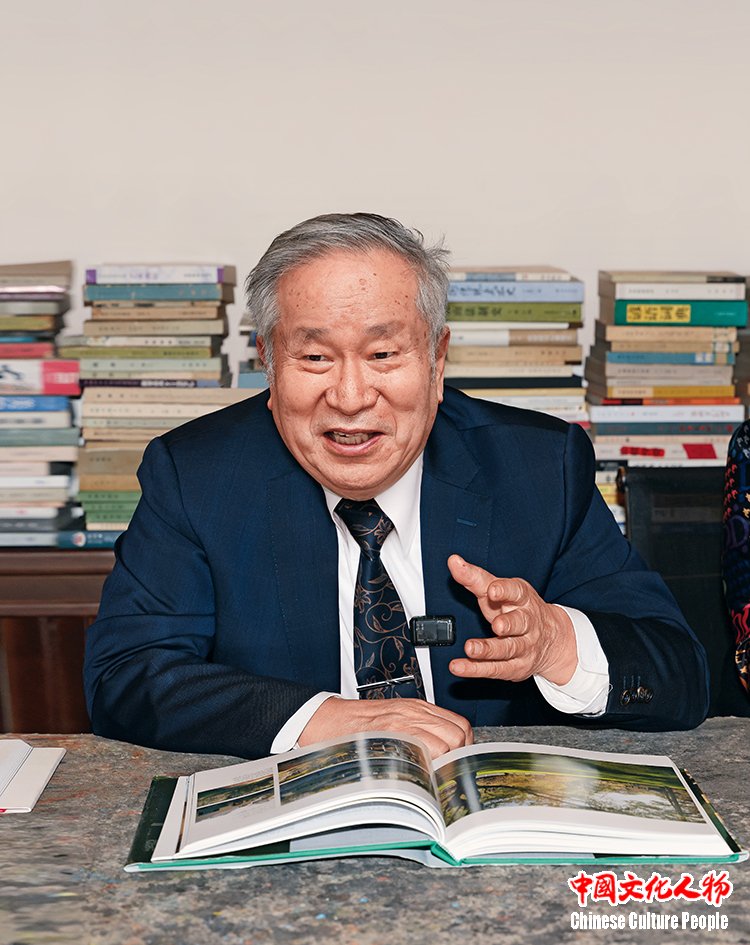
President of Li Keran Painting Academy and President of Heshan Painting Association of China Artists Association
Wang Baosheng, Editor-in-Chief of Chinese Cultural Figures/Photo Report
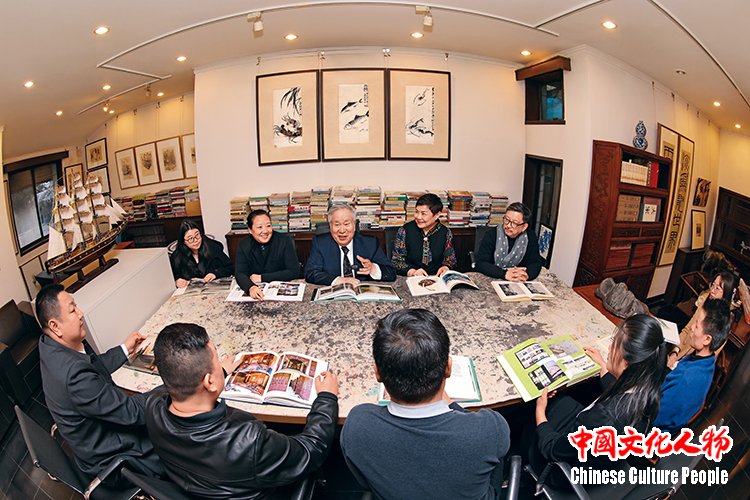
Li Geng's artistic career has always been guided by a central theme: using brush and ink as mediums and passion as the core,
he shoulders the mission of inheriting China's excellent traditional culture and promoting cultural exchange and mutual
learning. His practice not only achieves a unique artistic height but also interprets the spiritual essence and cultural
responsibility of artists in the new era.
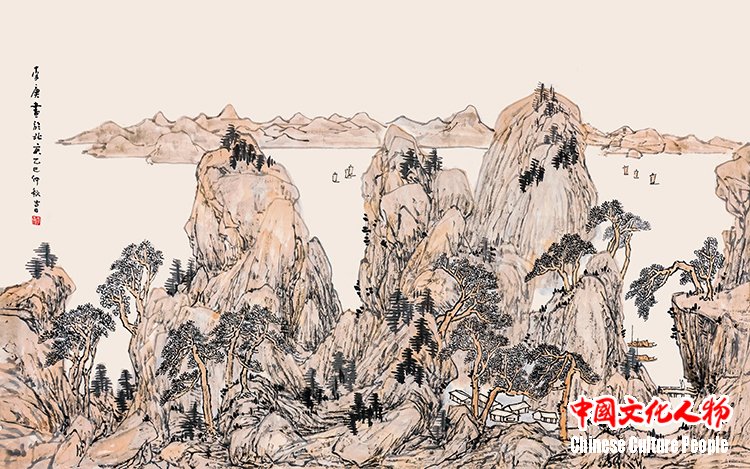
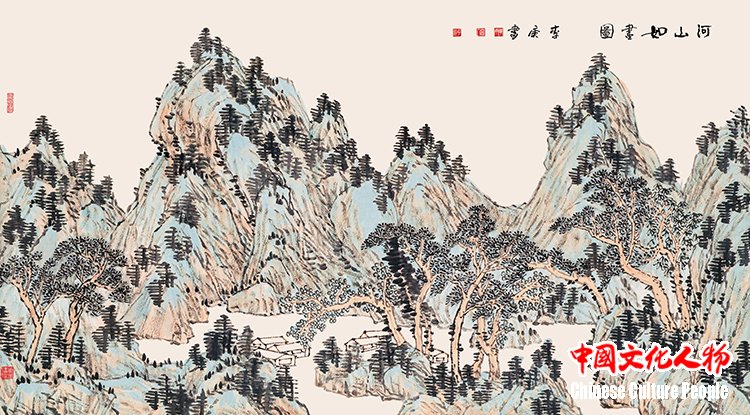 Landscape Paintings by Li Geng
Mountain and River 97x180cm 2025 by Li Geng
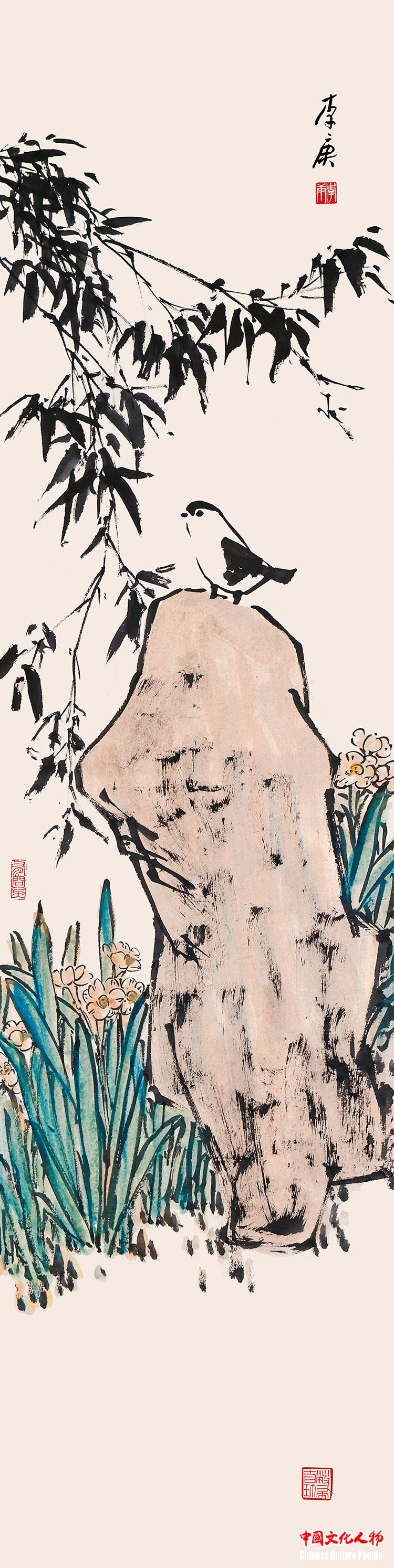 Flower-and-bird Paintings by Li Geng
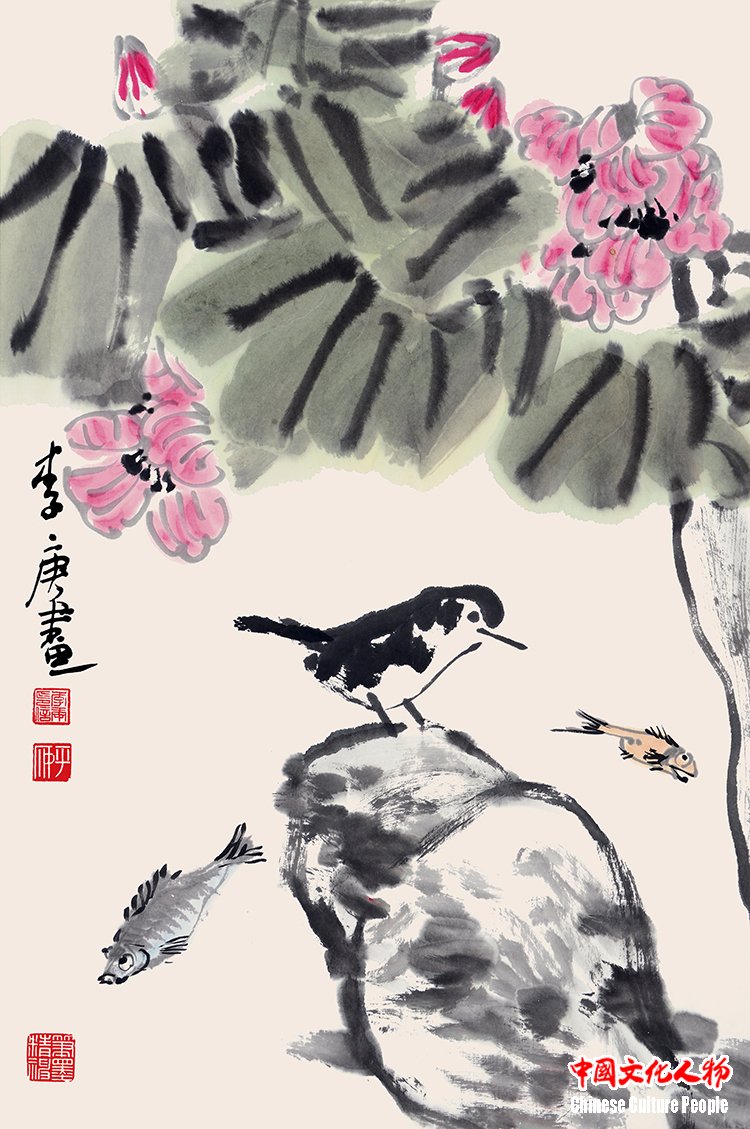 Flower-and-bird Paintings by Li Geng
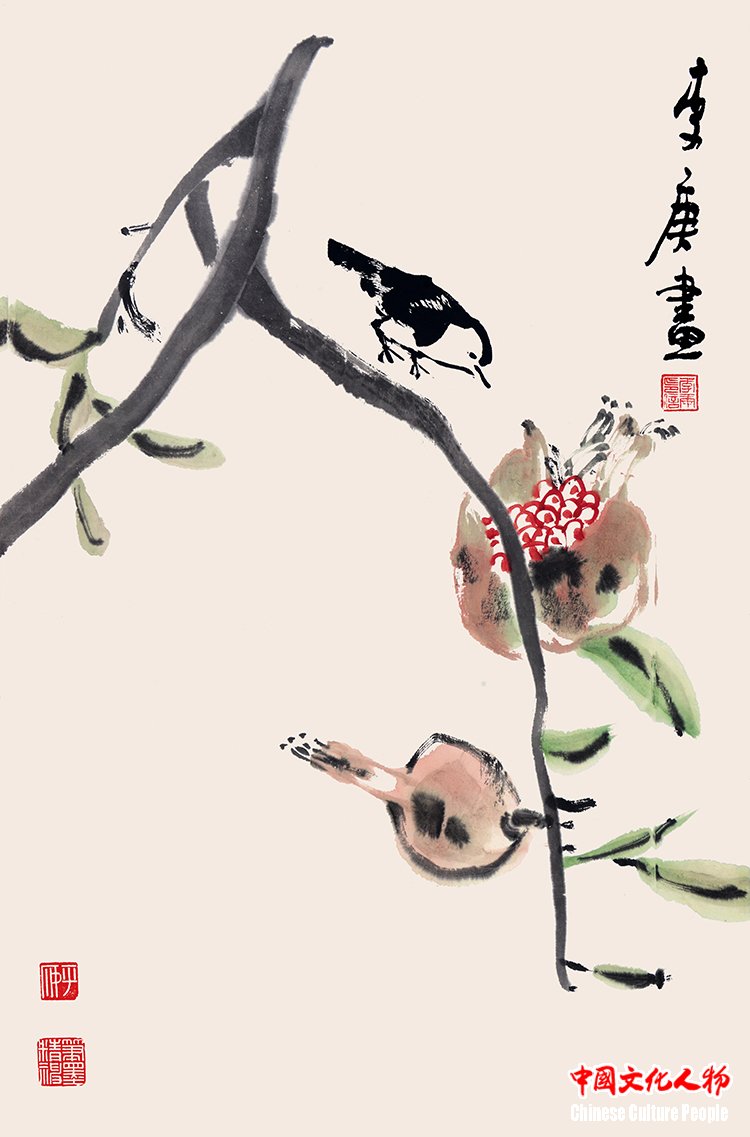 Flower-and-bird Paintings by Li Geng
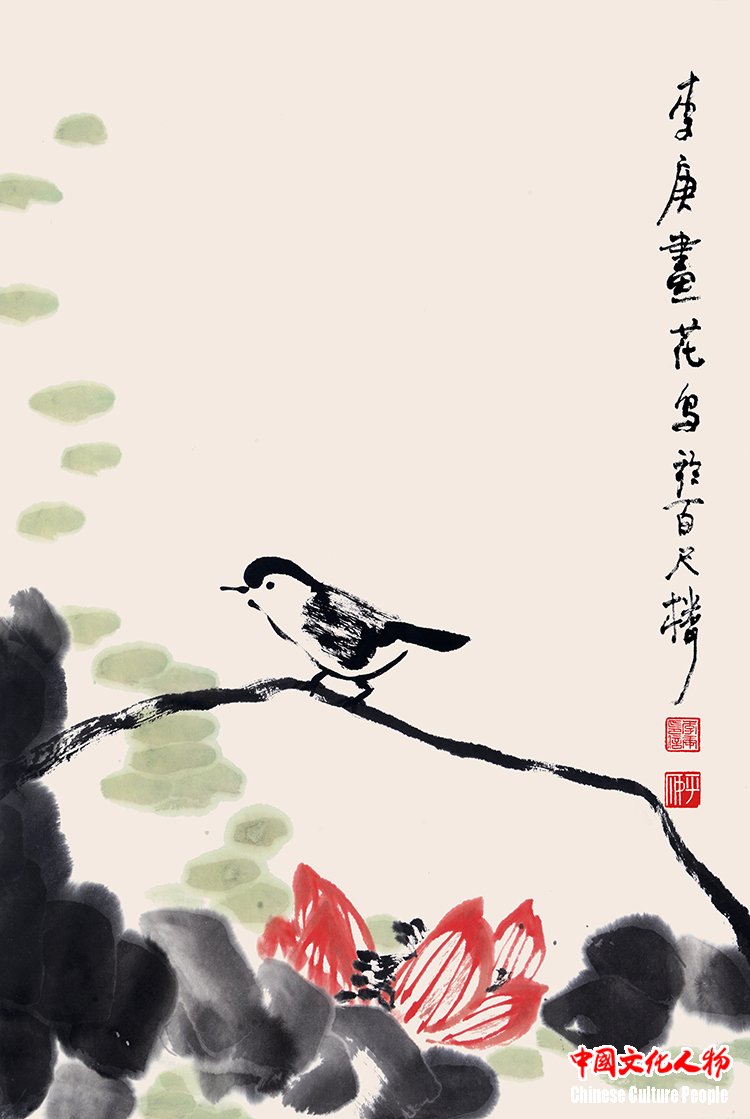 Flower-and-bird Paintings by Li Geng
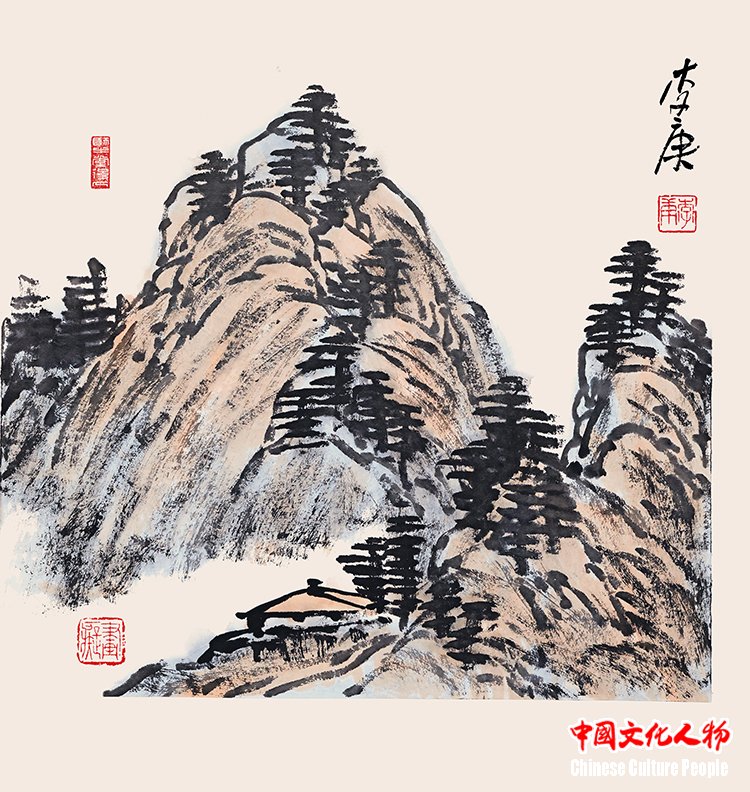 Landscape Paintings by Li Geng
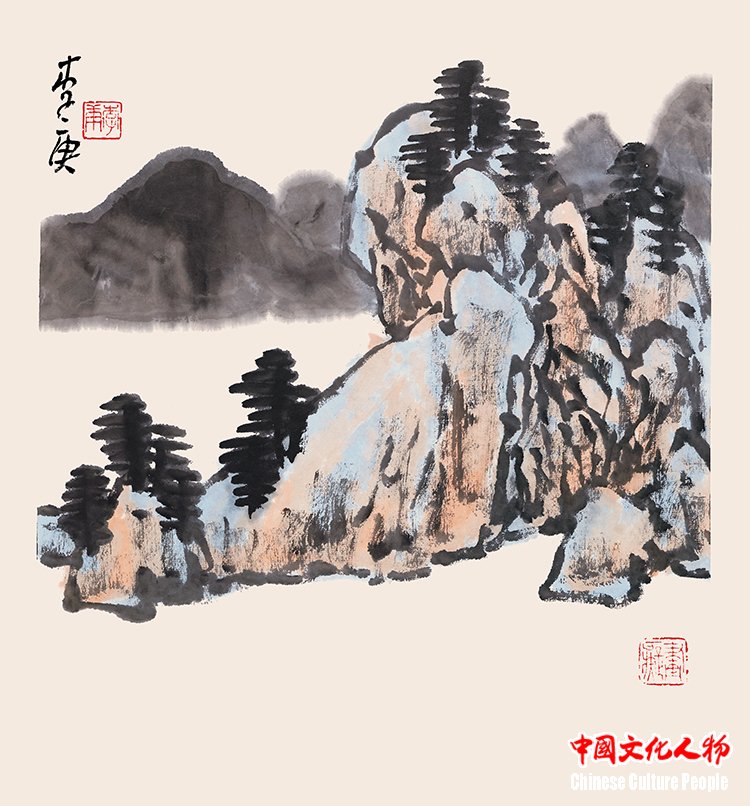 Landscape Paintings by Li Geng
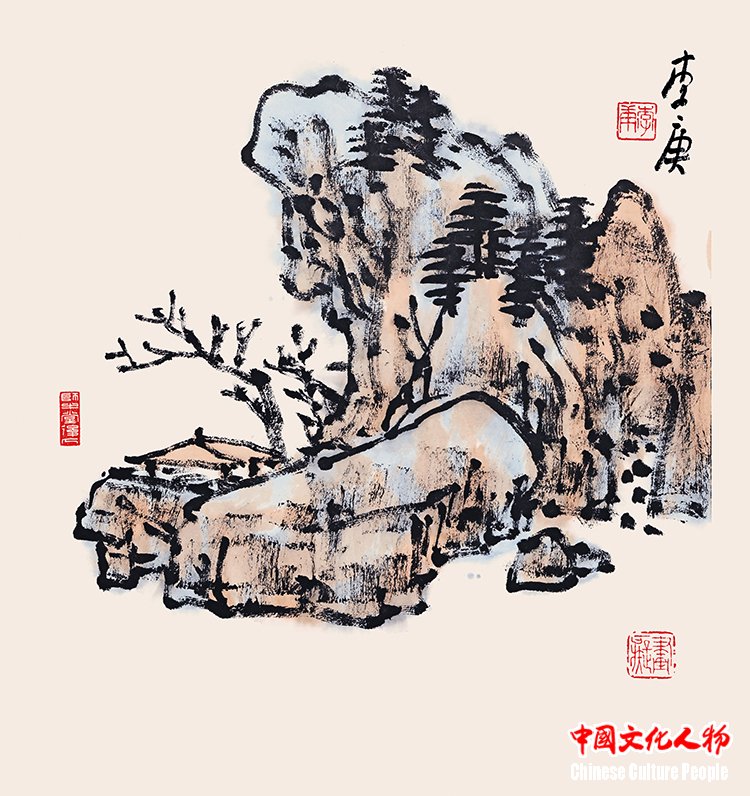 Landscape Paintings by Li Geng
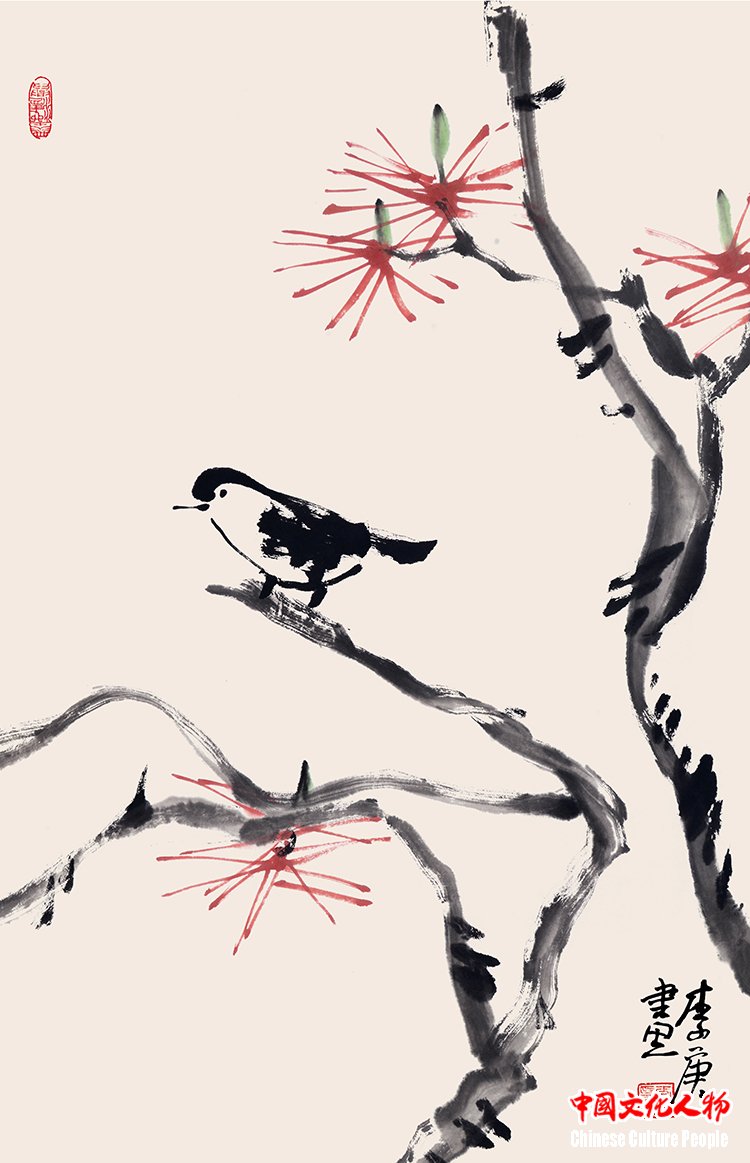 Flower-and-bird Paintings by Li Geng
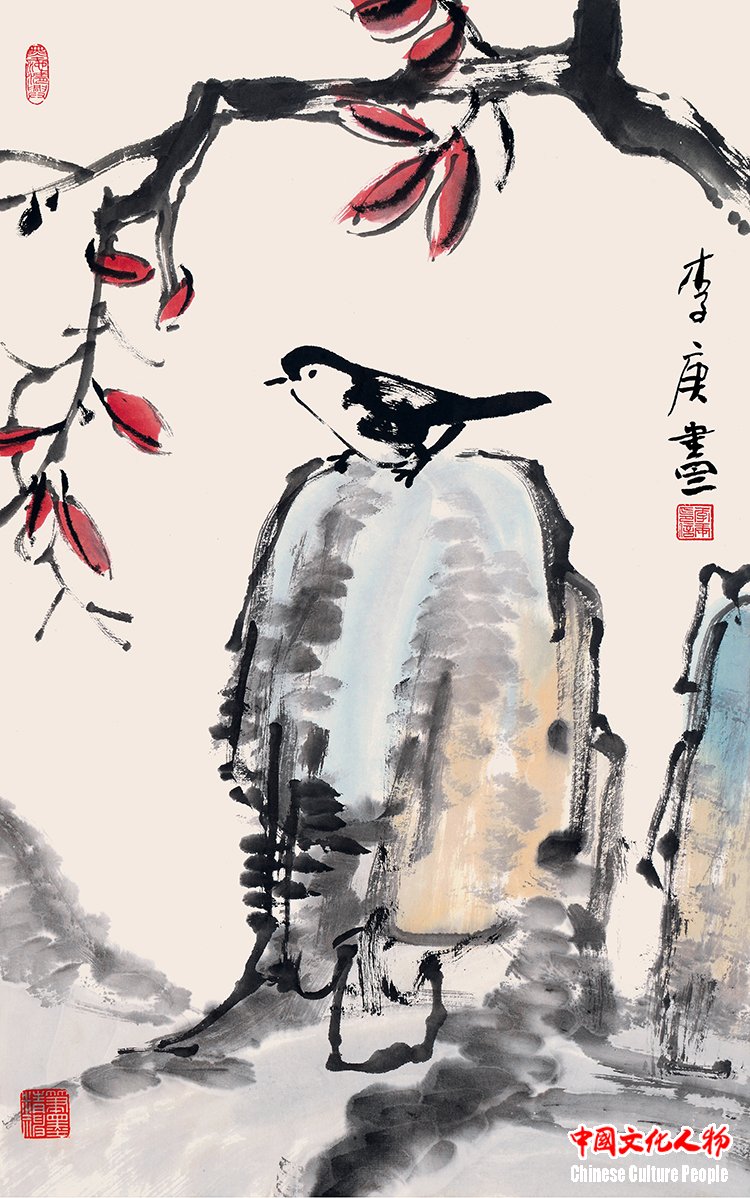 Flower-and-bird Paintings by Li Geng
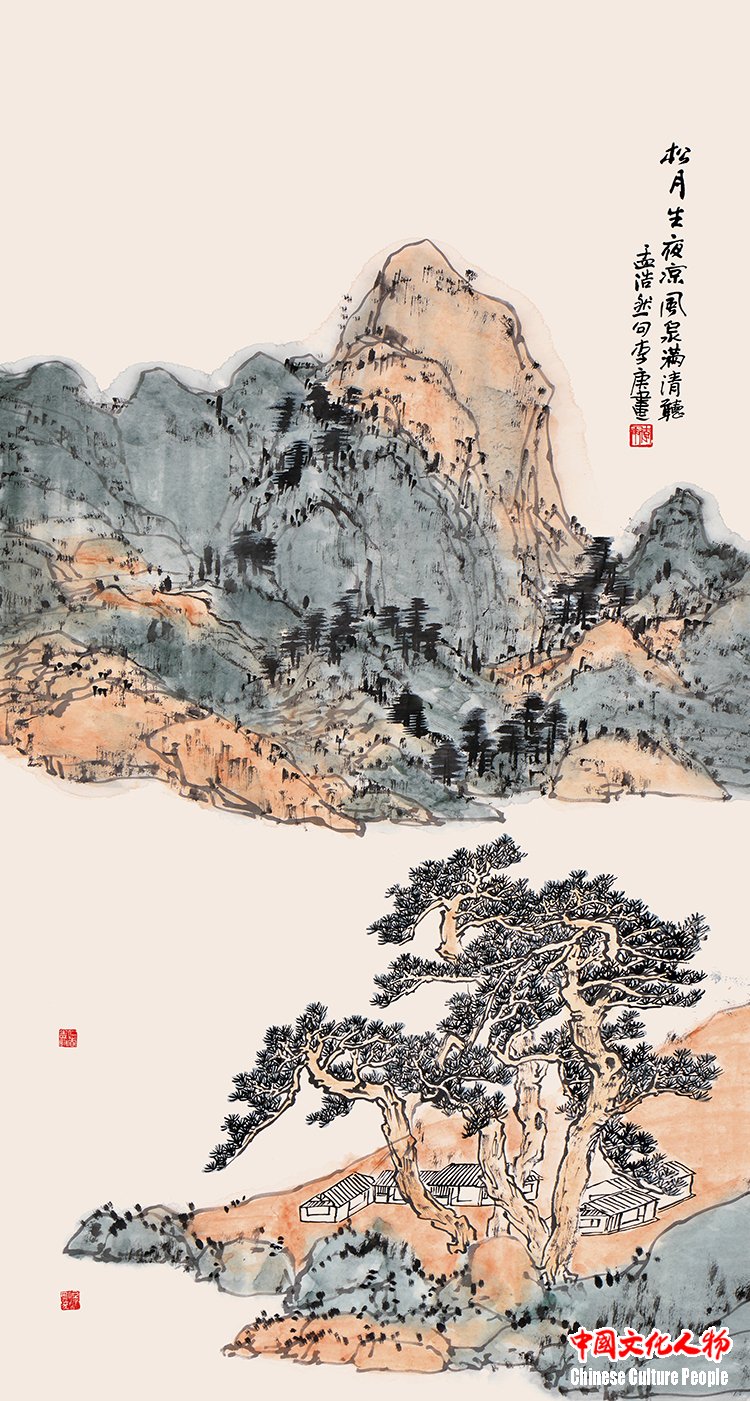 Pine and Moon Bring Night's Coolness; Wind and Spring Fill the Air with Serenity 138x69cm by Li Geng
From his early years of inheriting family traditions and anchoring himself in Chinese cultural legacy, to his middle age of pioneering new frontiers and transcending artistic boundaries; from his overseas journey of spreading art and building bridges of civilization, to his return to nurture talent and cultivate cultural legacy, Li Geng's artistic practice has not only forged a distinctive personal artistic realm but also epitomized the spiritual integrity and cultural responsibility expected of artists in the new era.
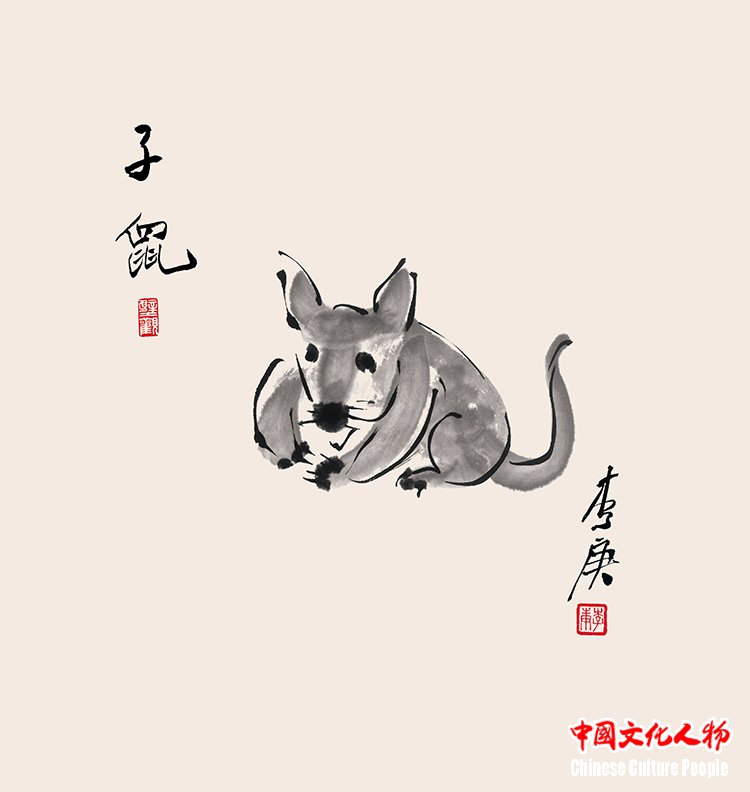 Rat (Zodiac) by Li Geng
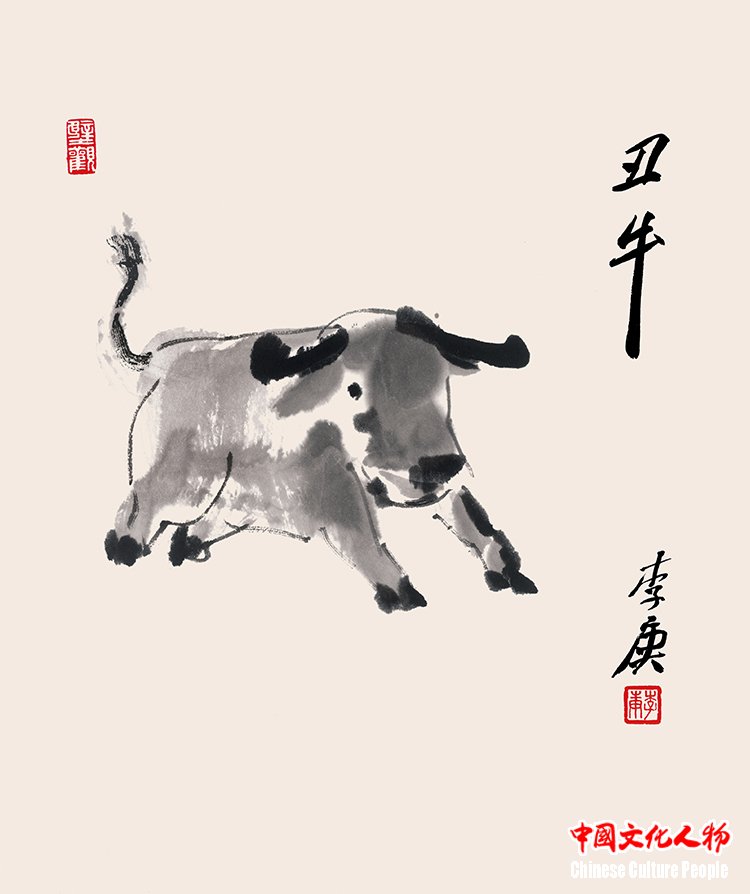 Ox (Zodiac) by Li Geng
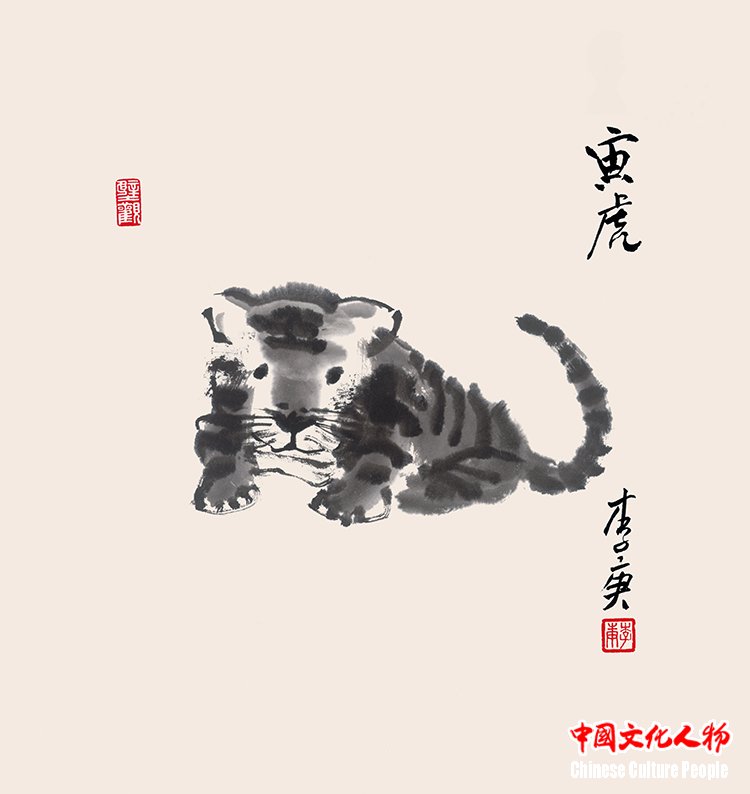 Tiger (Zodiac) by Li Geng
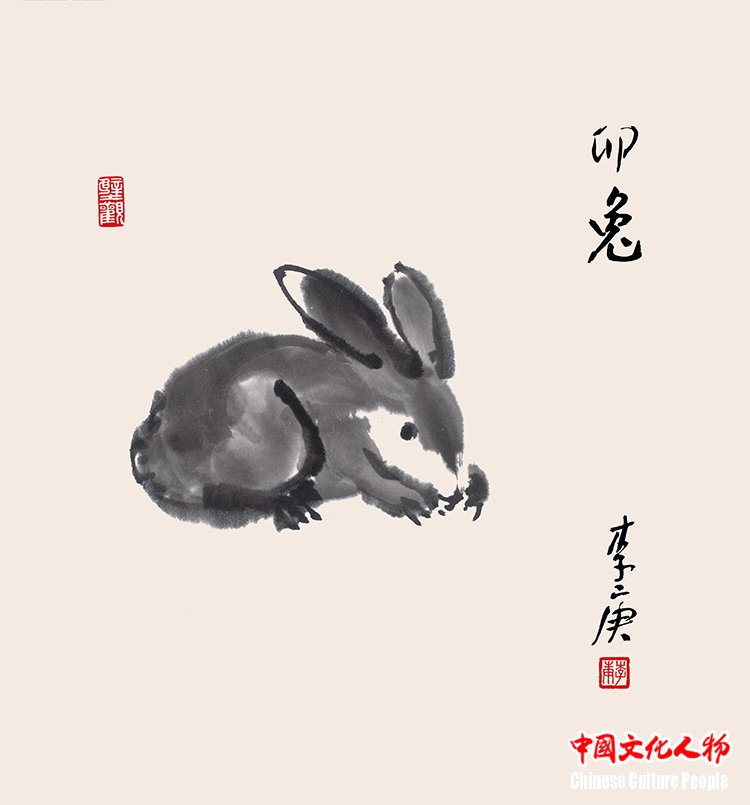 Rabbit (Zodiac) by Li Geng
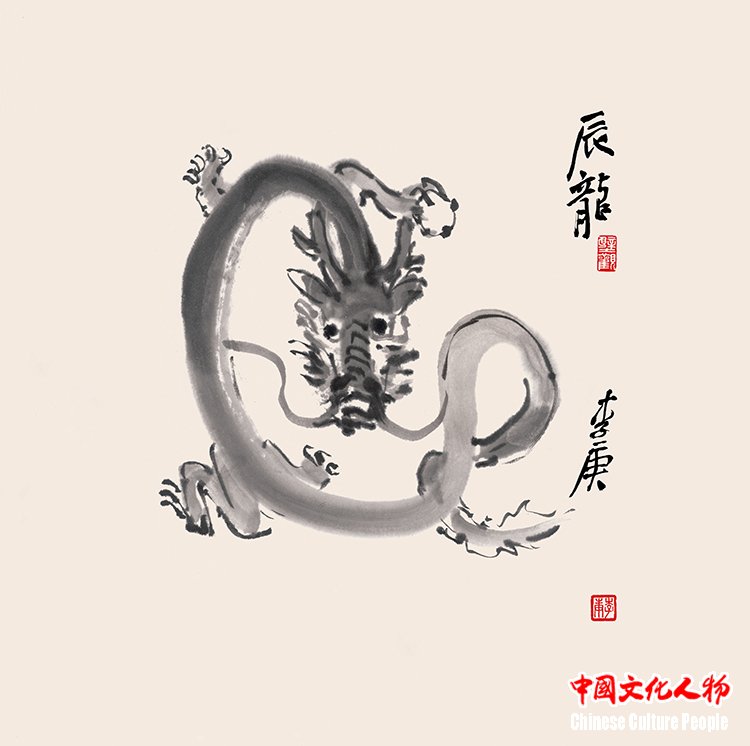 Dragon (Zodiac) by Li Geng
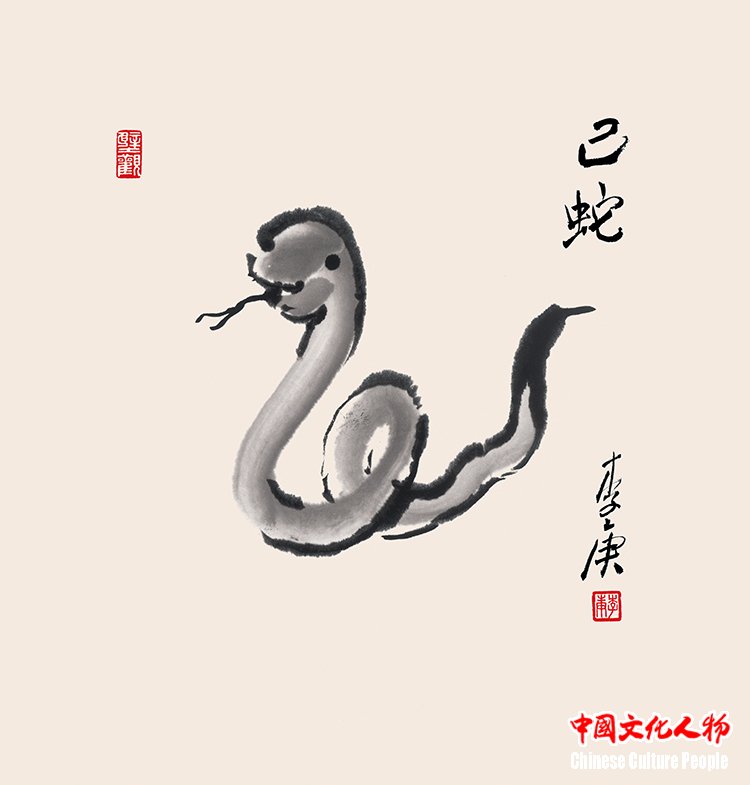 Snake (Zodiac) by Li Geng
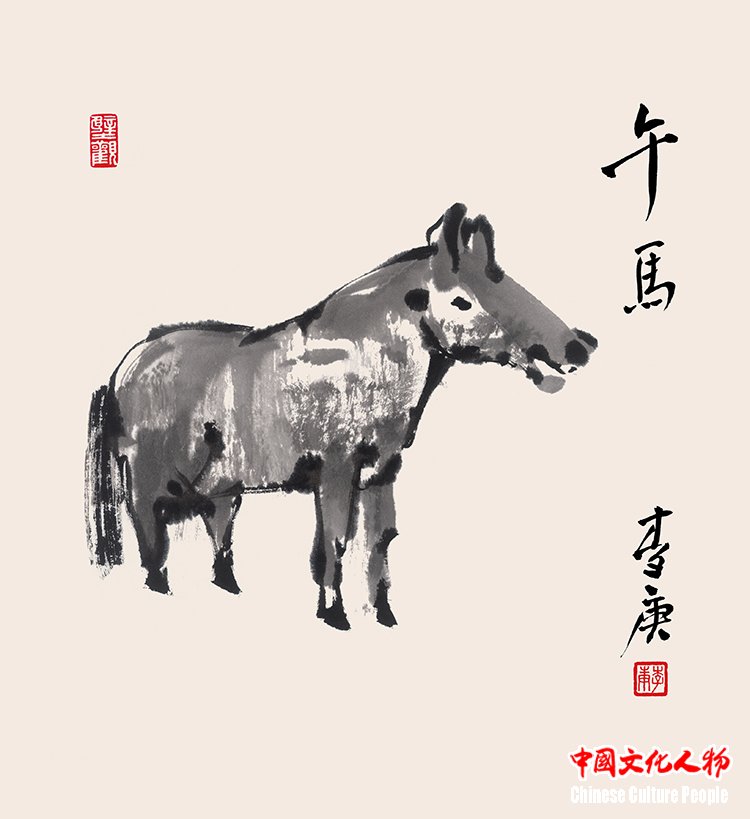 Horse (Zodiac) by Li Geng
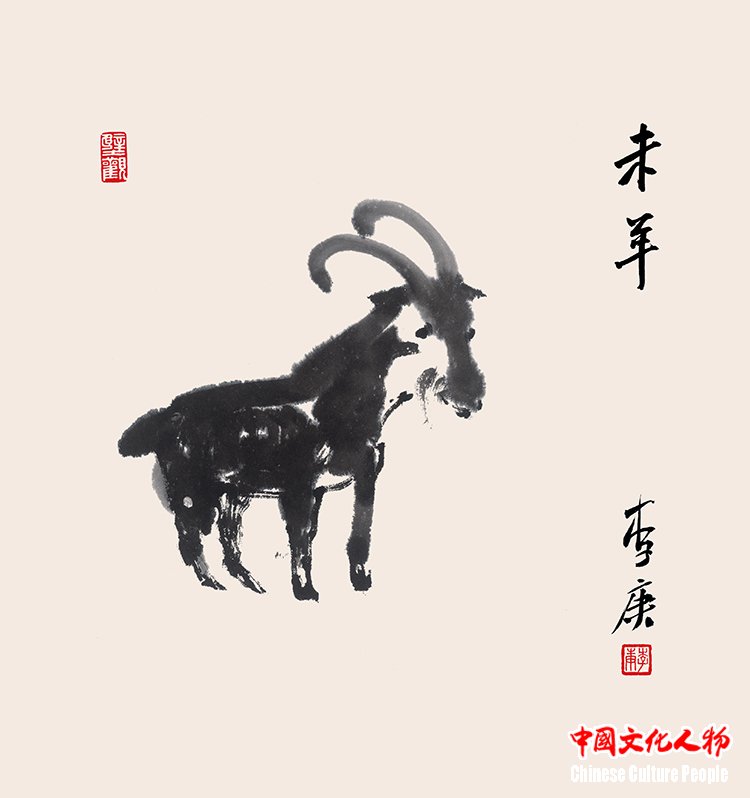 Goat (Zodiac) by Li Geng
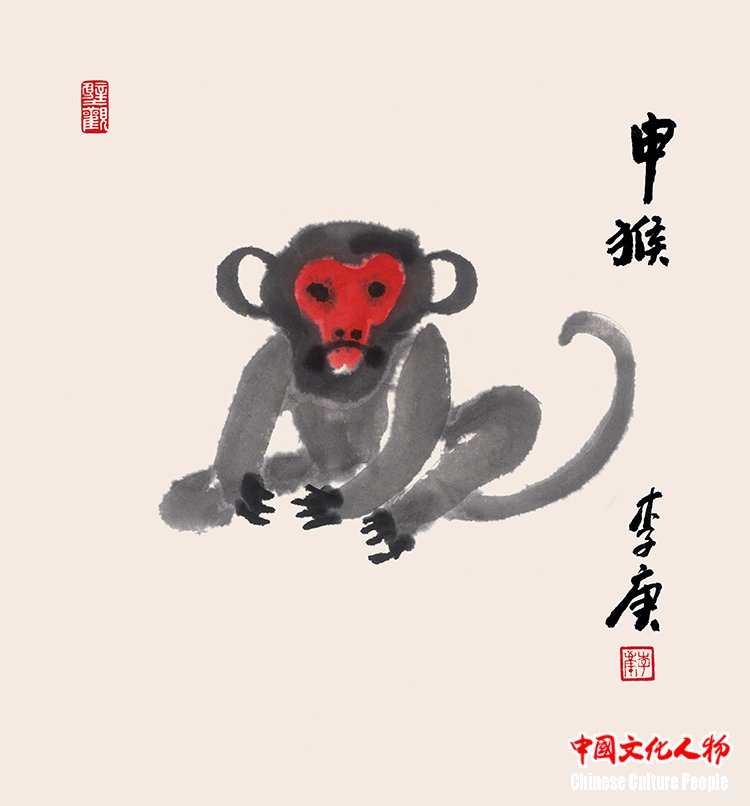 Monkey (Zodiac) by Li Geng
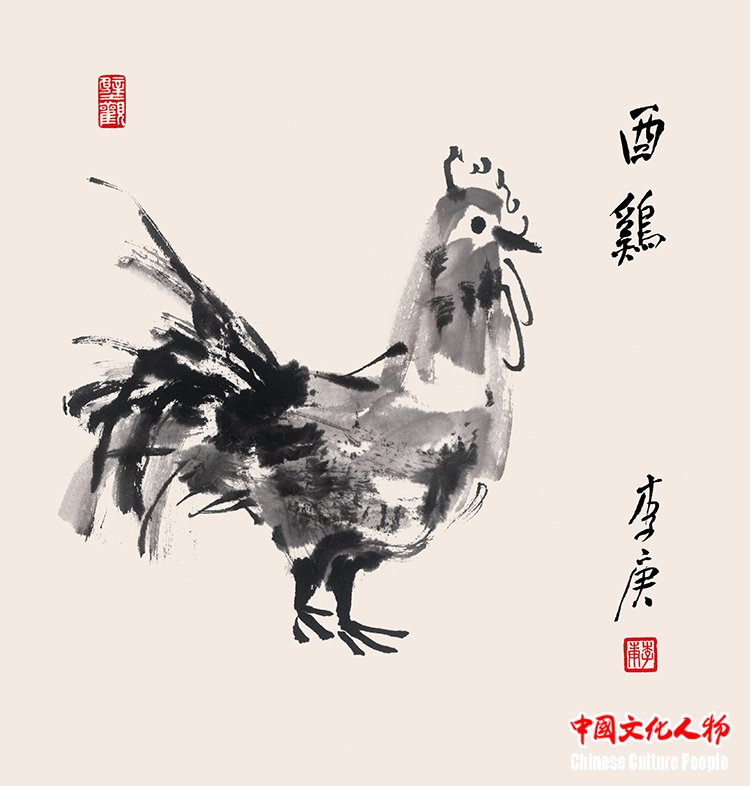 Rooster (Zodiac) by Li Geng
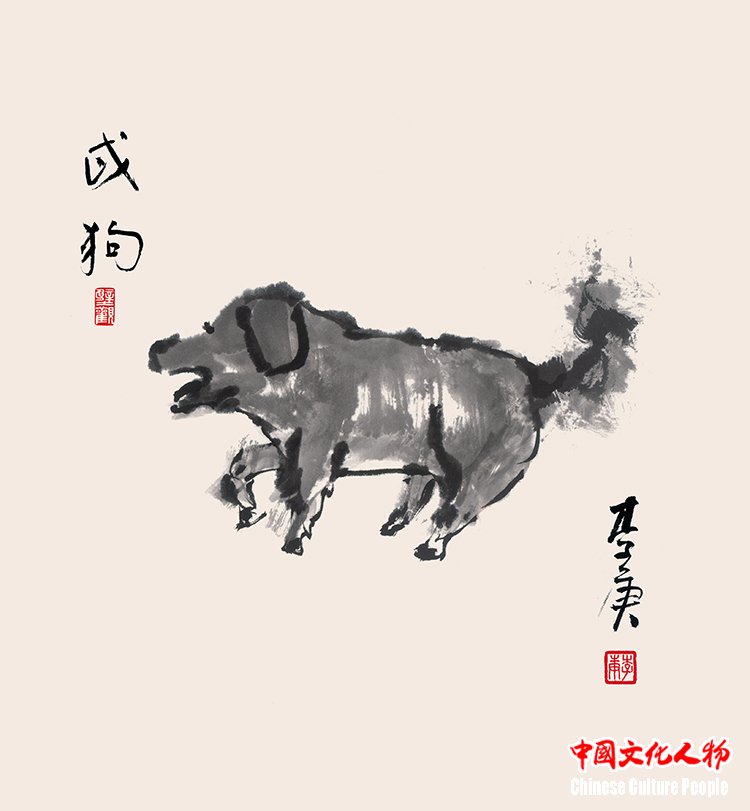 Dog (Zodiac) by Li Geng
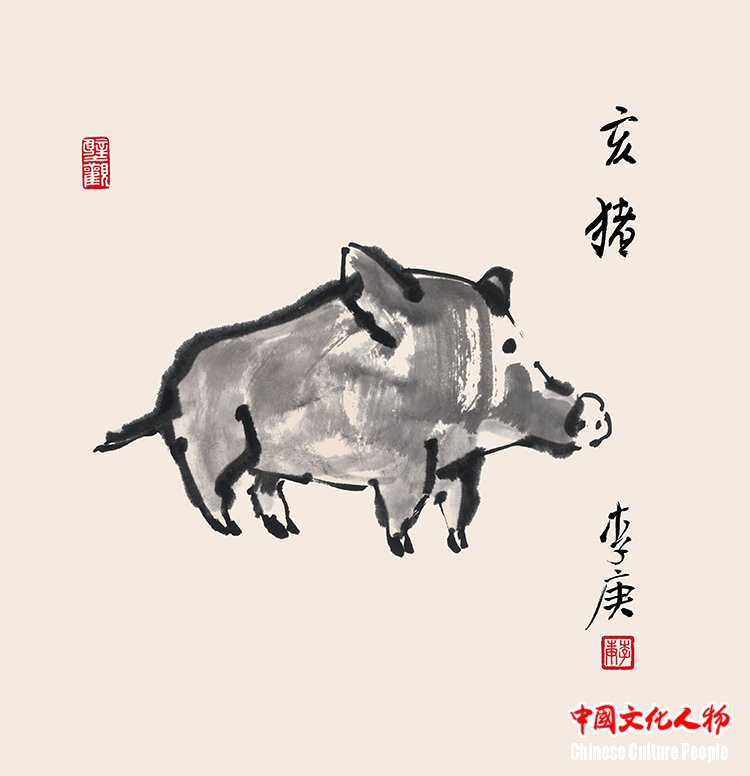 Pig (Zodiac) by Li Geng
(Wang Baosheng, Editor-in-Chief of Chinese Cultural Figures) Art and literature must speak for the times and forge the soul of our nation. The mission of contemporary artists is rooted in profound cultural identity, manifested through vivid expressions of patriotism, and realized in concrete efforts to promote cultural prosperity. Li Geng’s artistic career follows a clear path. From an early age, he was influenced by family learning and rooted in Chinese cultural traditions. In middle age, he crossed boundaries to innovate and expand the frontiers of art. He lived abroad, promoted Chinese art, and built bridges for cultural exchange. Later, he returned to China, founded institutions, taught students, and devoted himself to cultural inheritance.
Guided by emotion and expressed through brush and ink, he has shouldered the mission of passing on fine traditional Chinese culture and promoting mutual learning among civilizations. His practice has not only formed his unique artistic style, but also shown the spiritual character and cultural responsibility that modern artists ought to uphold.
Cultural Consciousness in the World Vision: A Transoceanic Homecoming Deepens Roots
Cultural awareness is the prerequisite for cultural confidence, and such awareness often becomes clearer through the collision and contrast of diverse cultures. Li Geng’s more than thirty years of overseas study, life, and creative experiences are precisely a journey of deepening cultural understanding and strengthening cultural identity within a global perspective. As art critic Xi Mu said, the longer a wanderer far from his homeland drifts abroad, the stronger his sense of cultural identity with his motherland becomes. Li Geng’s overseas years perfectly illustrate this profound judgment. Amid the 20th-century revolution in Western visual art, he systematically studied the global art lineage, yet never lost himself in the complex artistic trends. Instead, through sharp contrast and reflection, he came to recognize the nobility and greatness of China’s artistic spirit even more clearly.
During his overseas period, Li Geng consistently explored with questions in mind. Using the world art coordinate system as a reference, he observed, studied, and advanced Chinese painting. He delved into the poetic realm of Tang Dynasty aesthetics, systematically organized the spiritual core of Chinese ink painting, and profoundly recognized the unique value of Chinese art: soul in ink, supremacy in artistic conception. This exploratory and reflective approach with questions in mind transformed his global perspective from mere knowledge accumulation into a deep understanding and firm confidence in national culture. He clearly realized that an individual’s artistic life can only sustain enduring vitality by taking root in the fertile soil of national culture; Chinese painting can only truly realize its value by finding its proper place within the global art landscape.
At the end of the 20th century, when the domestic art market was booming, Li Geng chose to return to his homeland. This decision was not merely a geographical return but also a profound cultural commitment and responsibility. He brought back not only the artistic achievements from his overseas studies but also the firm pursuit of “letting the world recognize the cultural spirit of China and admire the artistic realm of China”. After his return, Li Geng devoted himself to creation and inheritance with a stronger sense of cultural awareness. Whether conducting globally influential research on the Jieziyuan painting manual or creating new works on the “Belt and Road” theme, he continued and promoted the Chinese cultural legacy from a global perspective. This cultural awareness of “knowing one’s roots even more after returning from across the seas” is the core foundation of Li Geng’s patriotic sentiment and ensures that his artistic practice always maintains a clear cultural subjectivity.
Mountains and Rivers in the Ink: Art as a Medium for Patriotism
Patriotism is never an empty slogan; it is the spiritual core and emotional expression embedded in artistic creation. Li Geng’s works consistently embody a profound attachment to China’s landscapes and a vivid interpretation of national spirit, echoing the core tenet of Xi Jinping Thought on Culture that “literature and art should speak for the times and forge the soul of the nation.” From his early years inheriting the majestic and profound style of the Li School Landscape Painting, to his later creation of the grand and vast “Endless Rivers and Mountains” series, and then to the elegant and far-reaching works inspired by Tang poetry—his brushwork has always revolved around “love for the nation, mountains, and rivers.” He has transformed his personal love for his homeland and his identity with the nation into tangible artistic imagery.
Li Geng’s “Tang Poetry Series” works are classic examples of expressive brushwork. With delicate strokes, he depicts the landscape imagery in Tang poetry and conveys the poet’s patriotic sentiments through variations in ink tones. The majestic grandeur of “Desert smoke rises straight, the long river sets round the sun,” and the tender longing of “I urge you to drink another cup of wine; west of the Pass, you’ll meet no old friends” are vividly brought to life on rice paper. These works are not only visual transformations of Tang poetry but also aesthetic experiences of the psychological structure of Chinese historical culture, offering profound interpretations of national spirit. His abstract ink series of Mahler symphonies, created over half a lifetime, further expand this patriotic sentiment to a broader cultural dimension. Fom China’s Tang poetry to Western symphonies and Eastern ink art, he uses art as a bridge to connect emotional resonance across millennia and national boundaries, allowing the aesthetic spirit of China to be transmitted and highlighted in cross-cultural contexts.
Li Geng’s patriotic sentiment is also reflected in his keen grasp of the themes of the times and his artistic responses. In recent years, he has focused on creating works centered around contemporary themes such as “Belt and Road”, integrating the historical depth of the Silk Road with the vibrant vitality of contemporary development into ink wash paintings. With his brushwork, he tells China’s stories and showcases the spirit of the times. These works not only carry forward the artistic tradition of Chinese ink painting, which “chronicles the landscapes of the motherland”, but also endow traditional art with new contemporary connotations, allowing patriotic sentiment to flourish with renewed vitality in the context of the new era. As Xi Mu noted, Li Geng consistently places Chinese painting within the broader context of world art. Through romantic, righteous, and grand artistic expressions, he presents China’s cultural spirit and aesthetic ideals, elevating the high standards of Chinese spirit and artistic realm to the world.
An Unwavering Cultural Mission: Passing on the Torch and Shouldering the Heavy Responsibility
If cultural consciousness is the cognitive foundation and patriotic sentiment is the emotional core, then elevating personal artistic pursuits to the mission of promoting cultural inheritance and development represents the highest sublimation of Li Geng’s spiritual realm. His lifelong pursuit has long transcended the limitations of individual artistic achievements. Instead, it centers on the grand goals of “bringing Chinese art to the world” and “passing on the torch of Chinese cultural legacy”. He vividly embodies the essence of “shouldering new cultural missions and building a modern civilization for the Chinese nation.”
This sense of mission is embodied in his selfless dedication to art preservation. At 62, he founded the Li Keran Painting Academy, pouring his heart into its development to create a public cultural platform integrating academic research, talent cultivation, and exhibition exchanges. Leading studies on Li Keran’s artistic philosophy, he systematically organized the “Li School Landscape” technique system, published scholarly works, and hosted academic forums to ensure the master’s artistic legacy was systematically passed down. He also spearheaded public education initiatives, funding training programs for grassroots art teachers and supporting art education in mountainous regions, bringing the beauty of art into households and cultivating a broad popular base for cultural inheritance. Li Geng deeply understands that cultural inheritance is not the work of one individual but requires continuous efforts across generations. Through this academy platform, he has united more enthusiasts of traditional Chinese art to jointly advance the inheritance and development of ink art.
This sense of mission is most vividly demonstrated in his unwavering commitment to cultural exchange and mutual learning among civilizations. From pioneering the German Oriental Art Lecture Series to reconstructing ink painting courses in Japan, from touring exhibitions across more than 40 cities worldwide to sparking intellectual dialogues at international academic conferences, Li Geng has dedicated half a lifetime building bridges between Chinese and foreign cultures. He firmly believes that cultural exchange transcends mere cultural export—it is about mutual learning through equal dialogue. To promote Chinese culture globally, he emphasizes maintaining cultural identity while embracing openness and inclusiveness. Thanks to his efforts, Chinese ink art has become a vital medium for cross-cultural dialogue. It contributes artistic power to the Global Civilization Initiative and the vision of a community with a shared future for mankind.
Mission Practice of the Artist in the New Era
Li Geng’s artistic practice and spiritual pursuit are highly consistent with the mission of cultural workers in the new era, setting an exemplary model for them. His experience fully demonstrates that artists in the new era must firmly strengthen cultural confidence, stand firm in the Chinese cultural stance, and consolidate their foundation in inheriting the excellent traditional Chinese culture. They must maintain an open and inclusive mindset, enrich themselves by absorbing foreign influences, and showcase the charm of China in the exchange and mutual learning of civilizations. They must embrace a sense of national and familial responsibility, integrate their personal artistic pursuits into the broader context of national cultural development, and achieve value sublimation by speaking for the times and casting the soul of the nation.
Li Geng’s journey reveals that building cultural confidence requires delving into the essence of China’s outstanding traditional culture and recognizing its unique value in a global context. His growing cultural identity during overseas travels and heightened cultural awareness through comparative studies offer valuable insights for artists in the new era to cultivate cultural confidence. Upholding Chinese cultural values does not mean shutting ourselves off. Instead, we must innovate through inheritance and stay grounded while remaining open, so that fine traditional Chinese culture will glow with new vitality in the modern era.
Meanwhile, artists in the new era must shoulder the mission of advancing cultural inheritance and development. Through his hands-on efforts in establishing art academies and nurturing talent, as well as his selfless dedication to public welfare initiatives, Li Geng has embodied the profound meaning of “cultural inheritance is the responsibility of all.” His practice demonstrates that artists should not only focus on individual creation but also take an active part in cultural development. By engaging in academic research, talent cultivation, and cultural exchange, they can contribute to cultural prosperity and the building of a culturally strong nation.
From his artistic awakening in Dayabao Hutong to cultural dialogues on the global stage, from pioneering ink art innovations to his mission of nurturing talent at the academy, Li Geng’s artistic journey has been a grand endeavor of preserving cultural lineage, practicing cultural confidence, and expressing his profound patriotism. His practice demonstrates that contemporary cultural practitioners must uphold cultural roots, embrace national and global aspirations, and maintain openness and inclusiveness to create works worthy of their era and people. Only then can they contribute to the new glory of Chinese culture and the modernization of Chinese civilization. The spiritual strength embodied by Li Geng will inspire more cultural practitioners to engage in the great practice of cultural inheritance and innovation, ensuring that fine traditional Chinese culture is passed on from generation to generation and thrives continuously in the new era.
(Editors: Liu Sheng, Zhang Yan)
 文化大家
文化大家