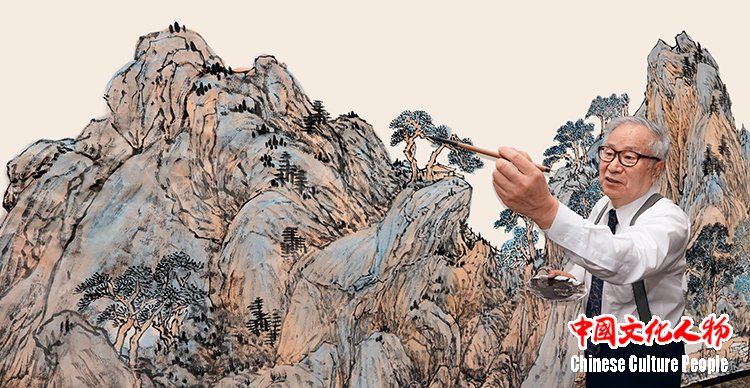
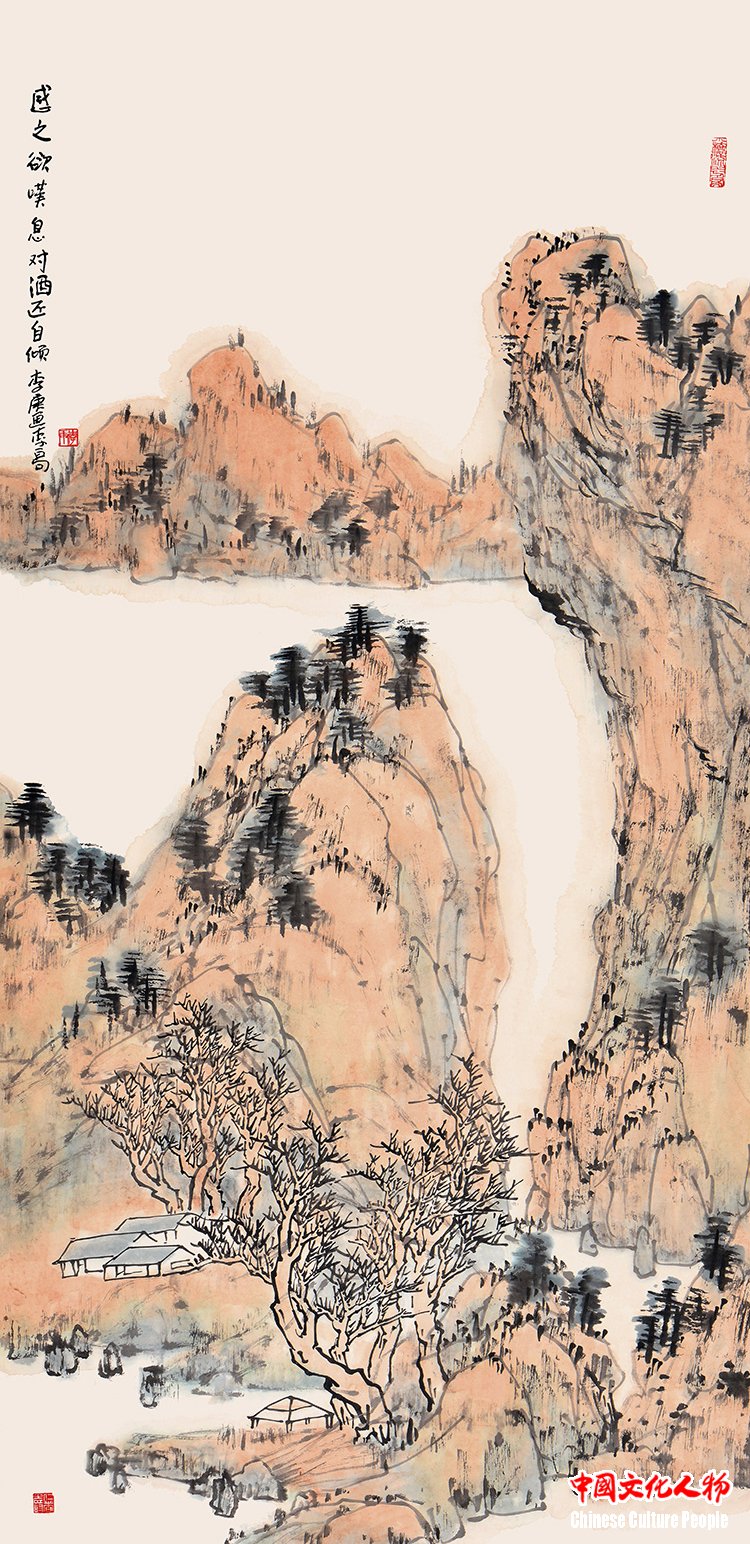
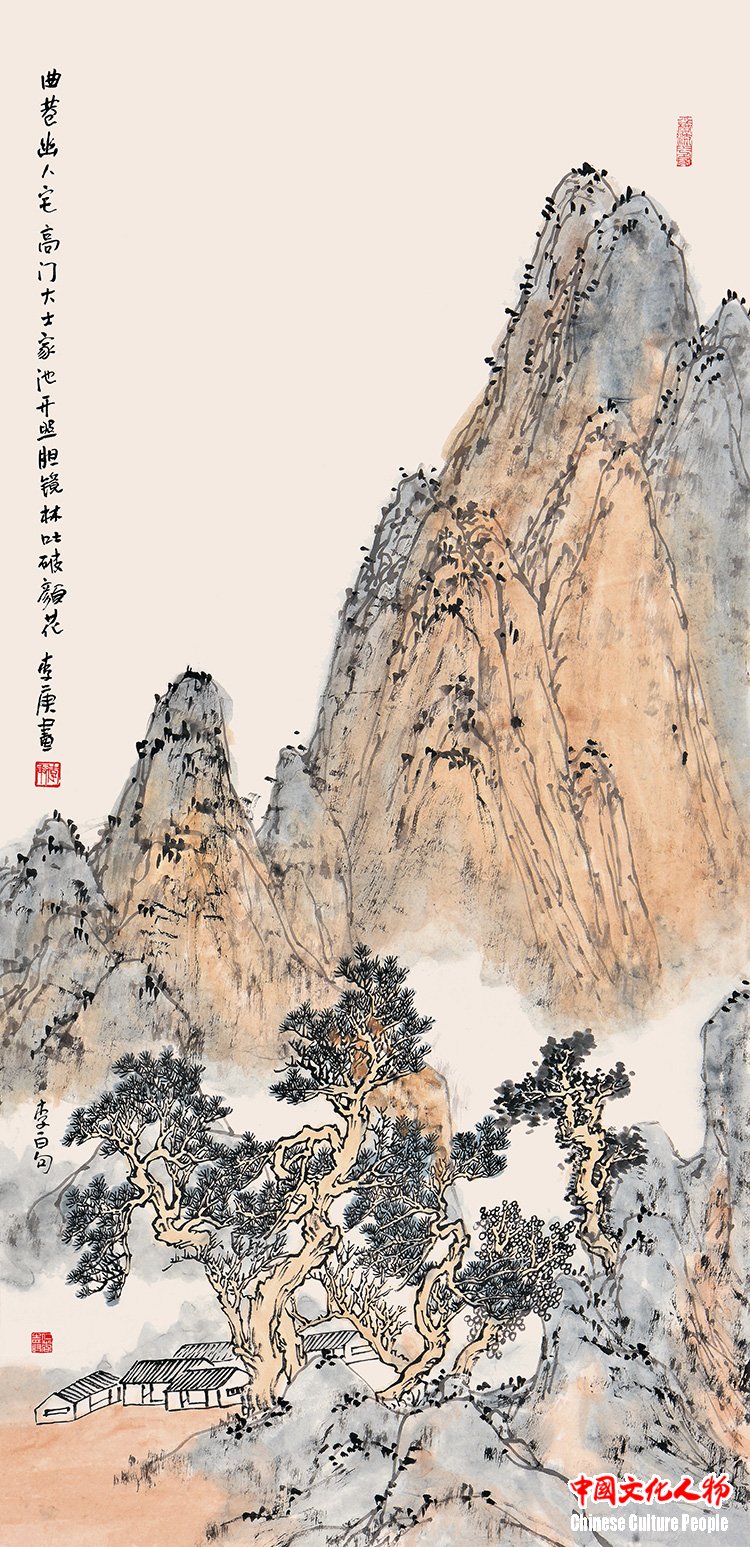
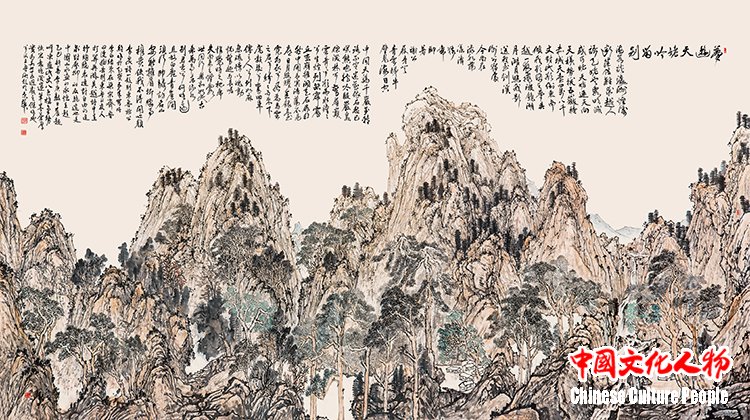
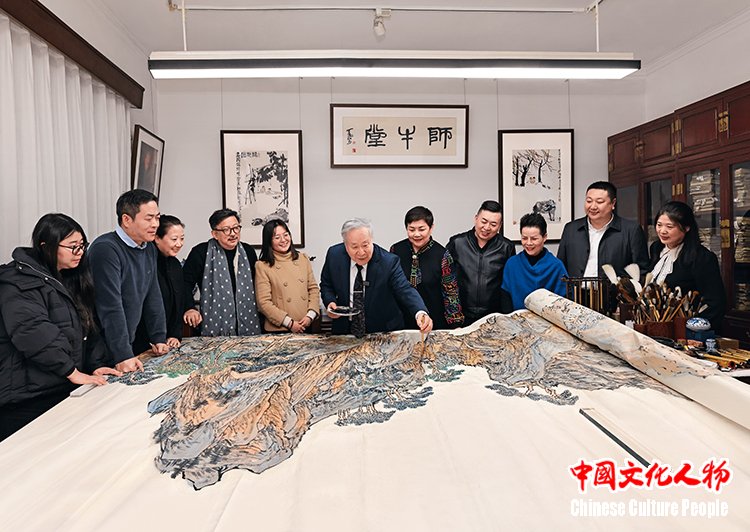
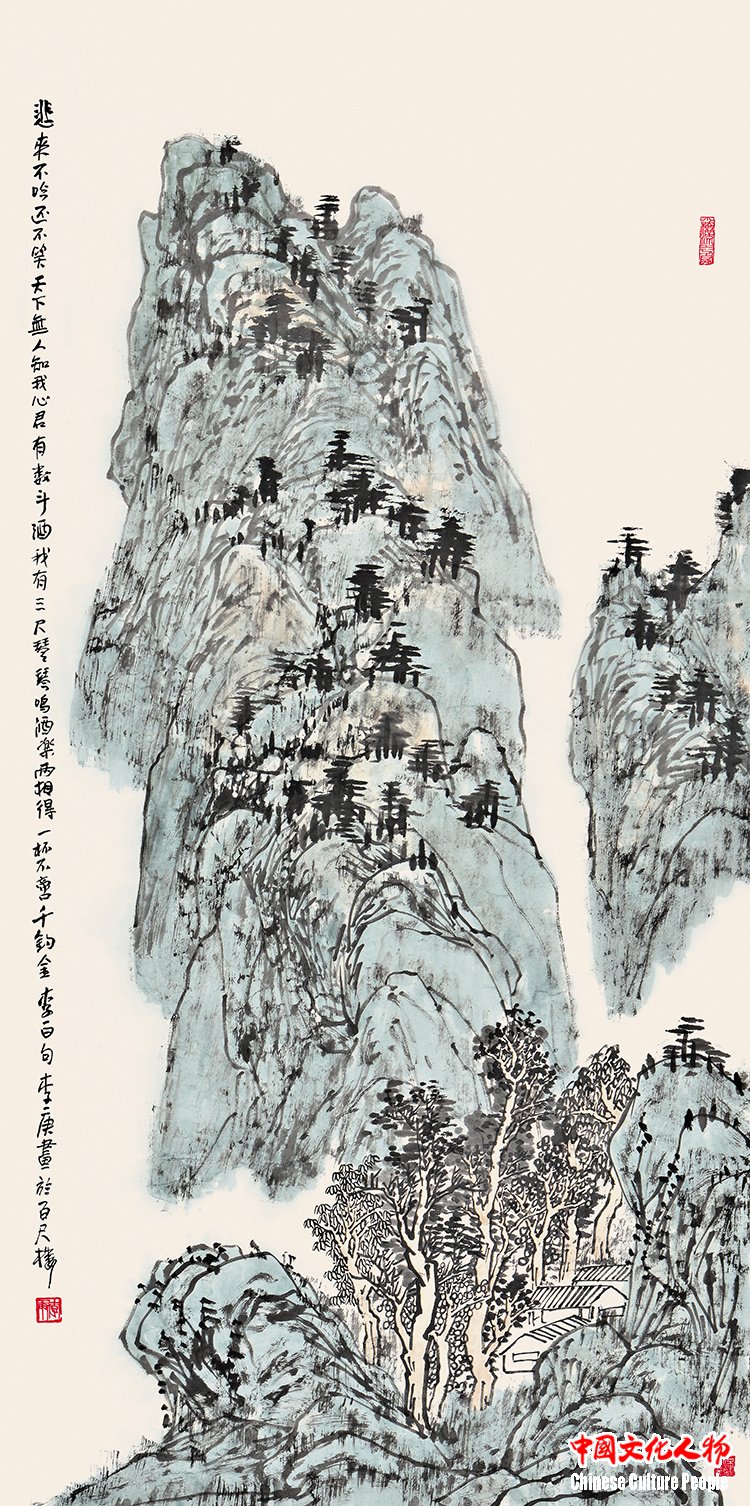
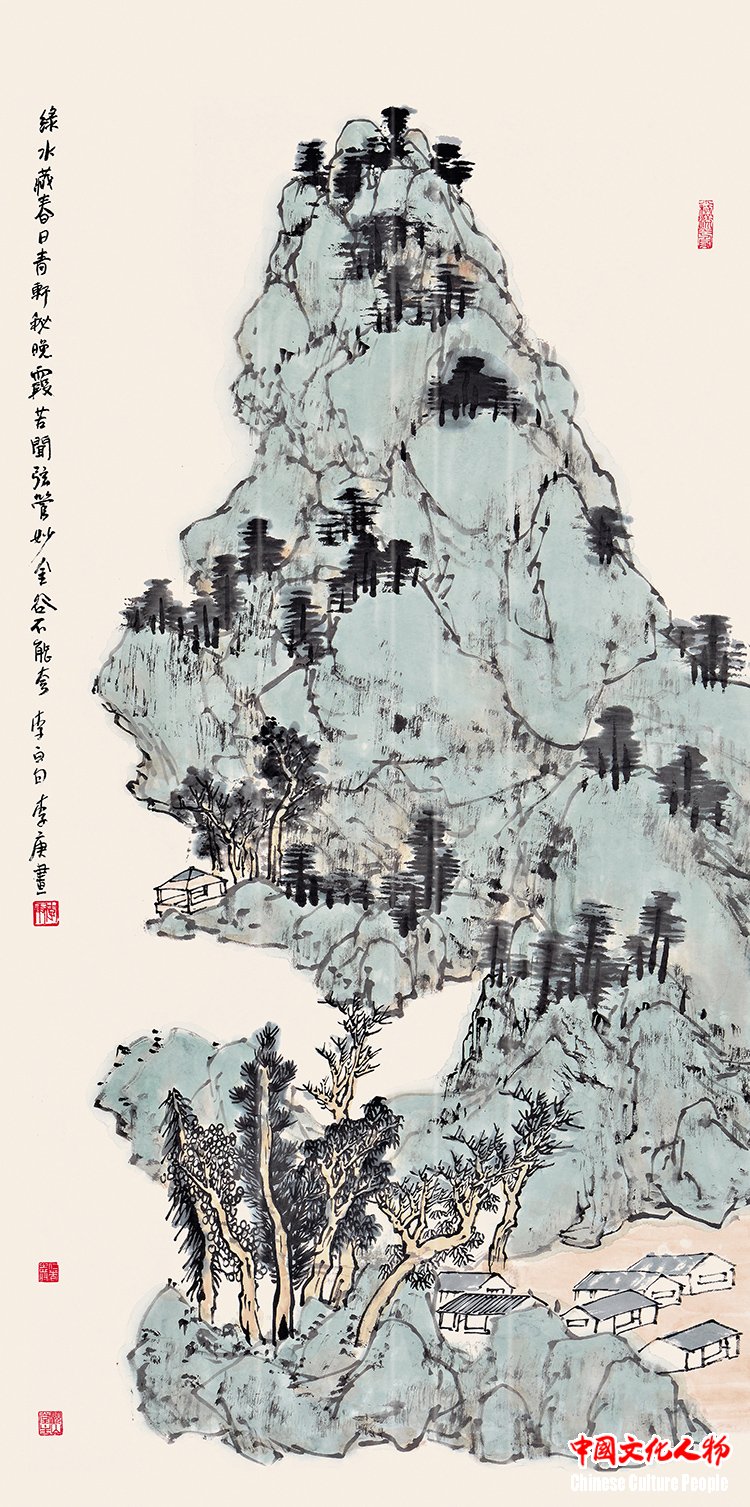
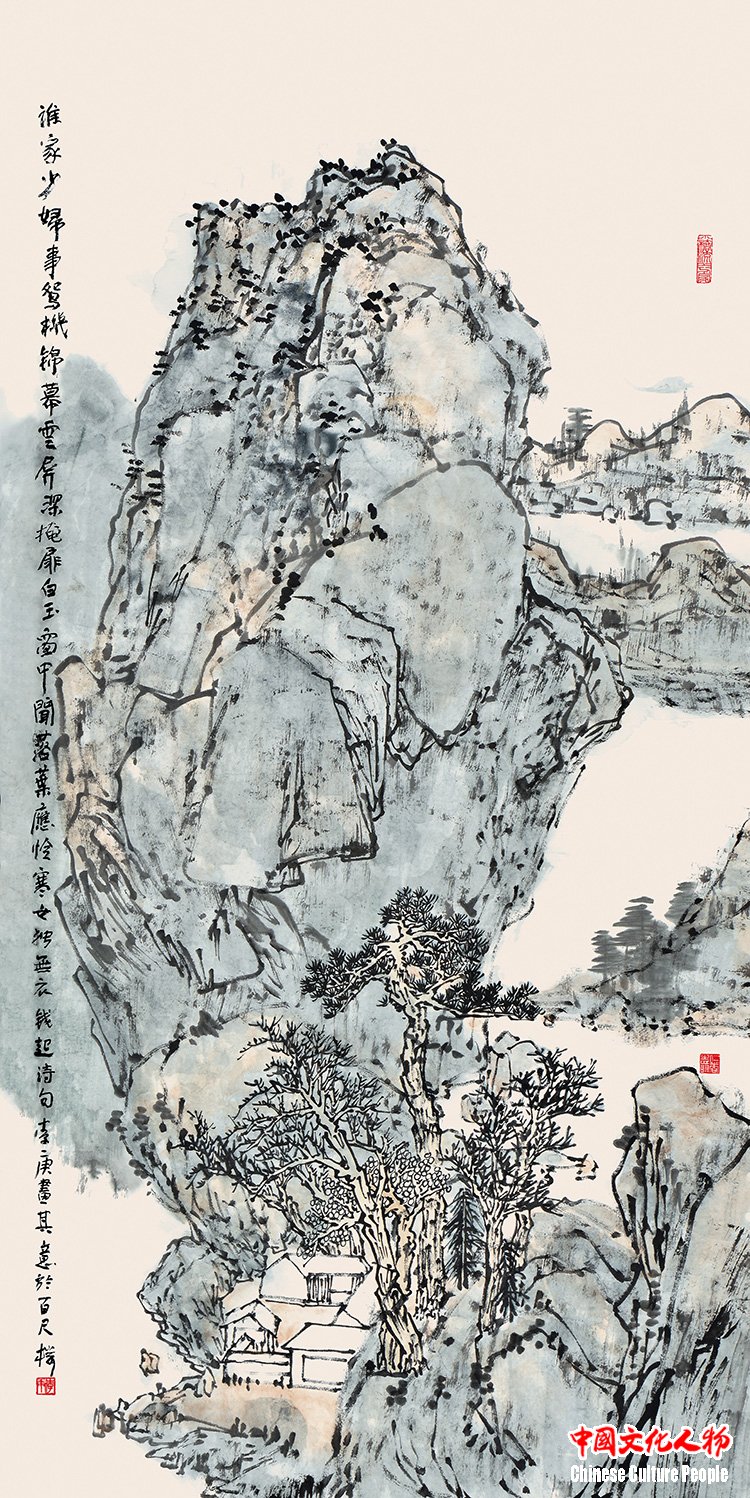
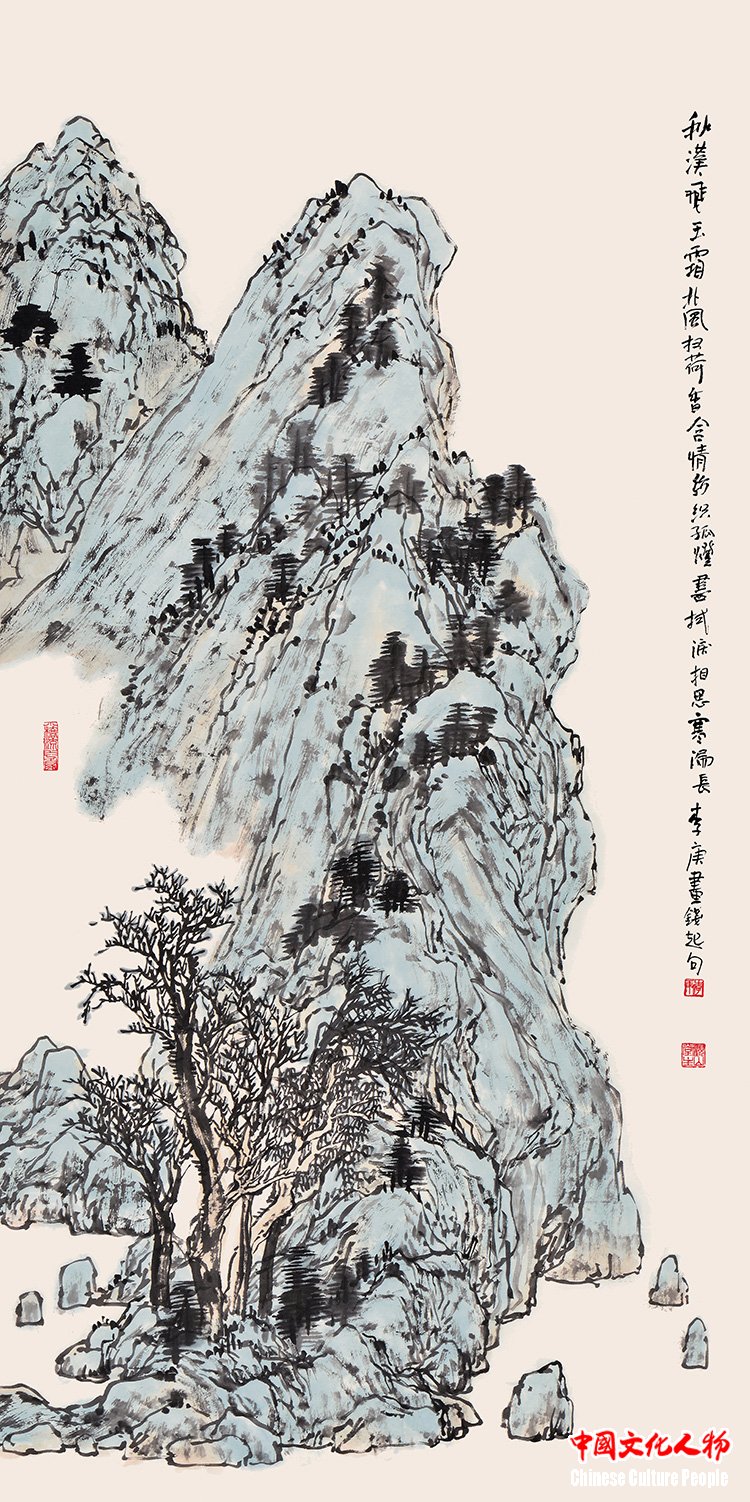
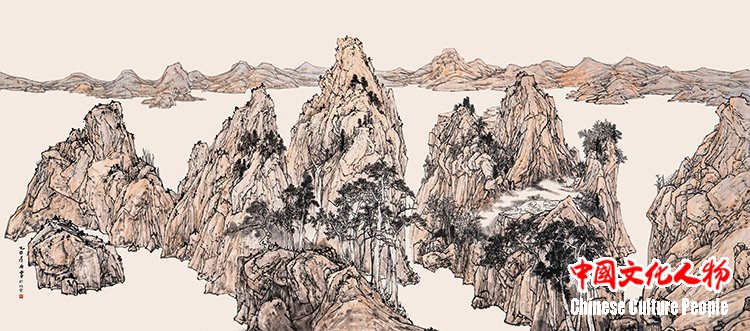
Mountain and River 248x600cm 2025 by Li Geng
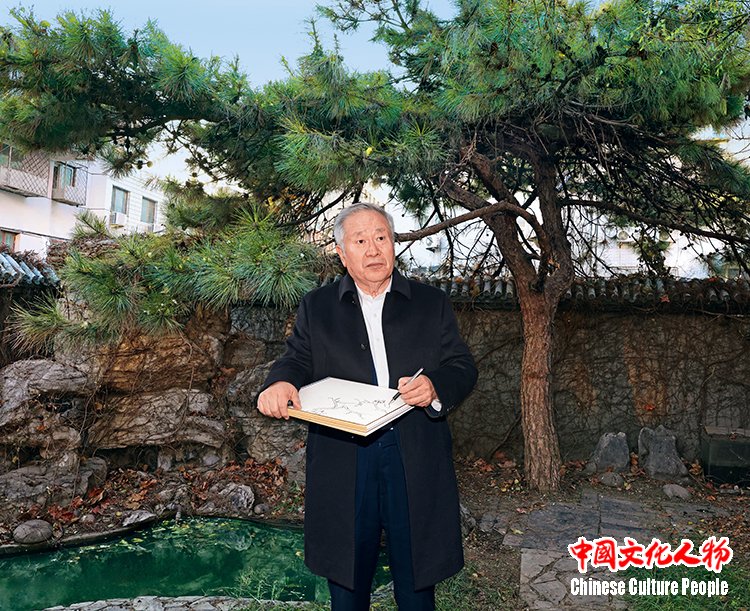
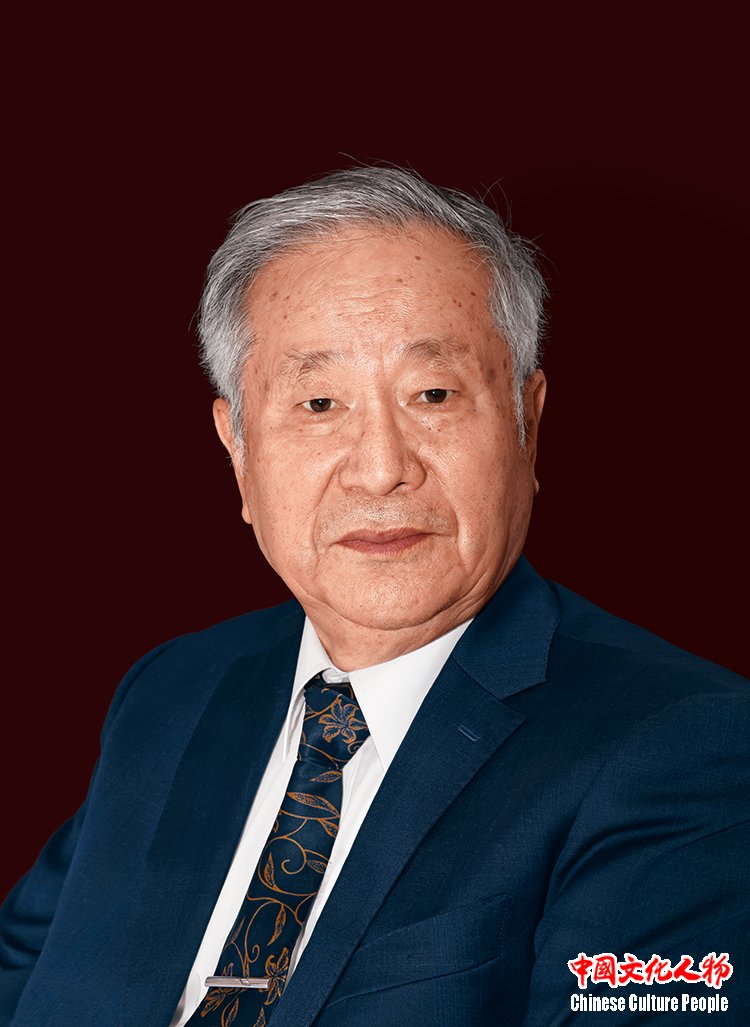
Li Geng's artistic journey has always resonated with the inheritance and development of fine traditional Chinese culture, and kept pace with the trend of exchanges and mutual learning between China and foreign civilizations. On the path of cultural inheritance and innovation, he has demonstrated the responsibility and commitment of an artist in the new era.
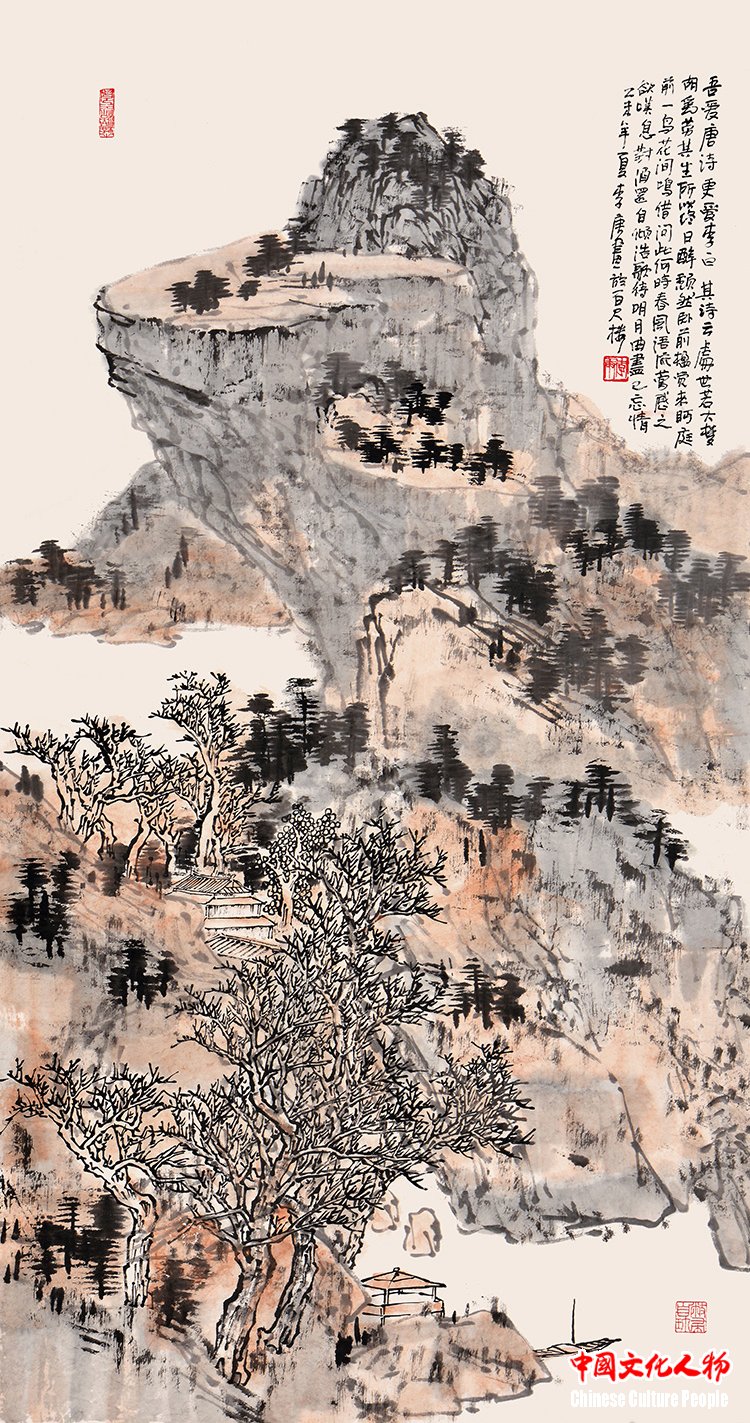
I Love Tang Poetry, I Love Li Bai 138x69cm by Li Geng
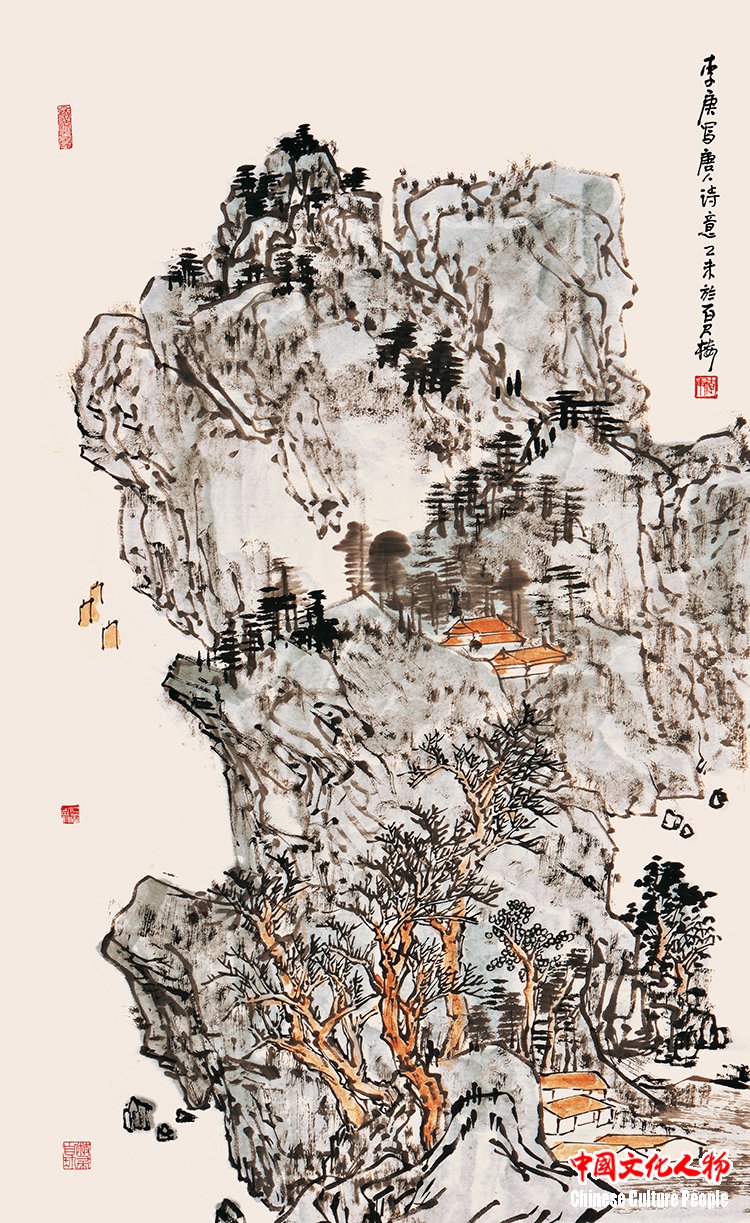
Tang Poetry and Painting138x69cm by Li Geng
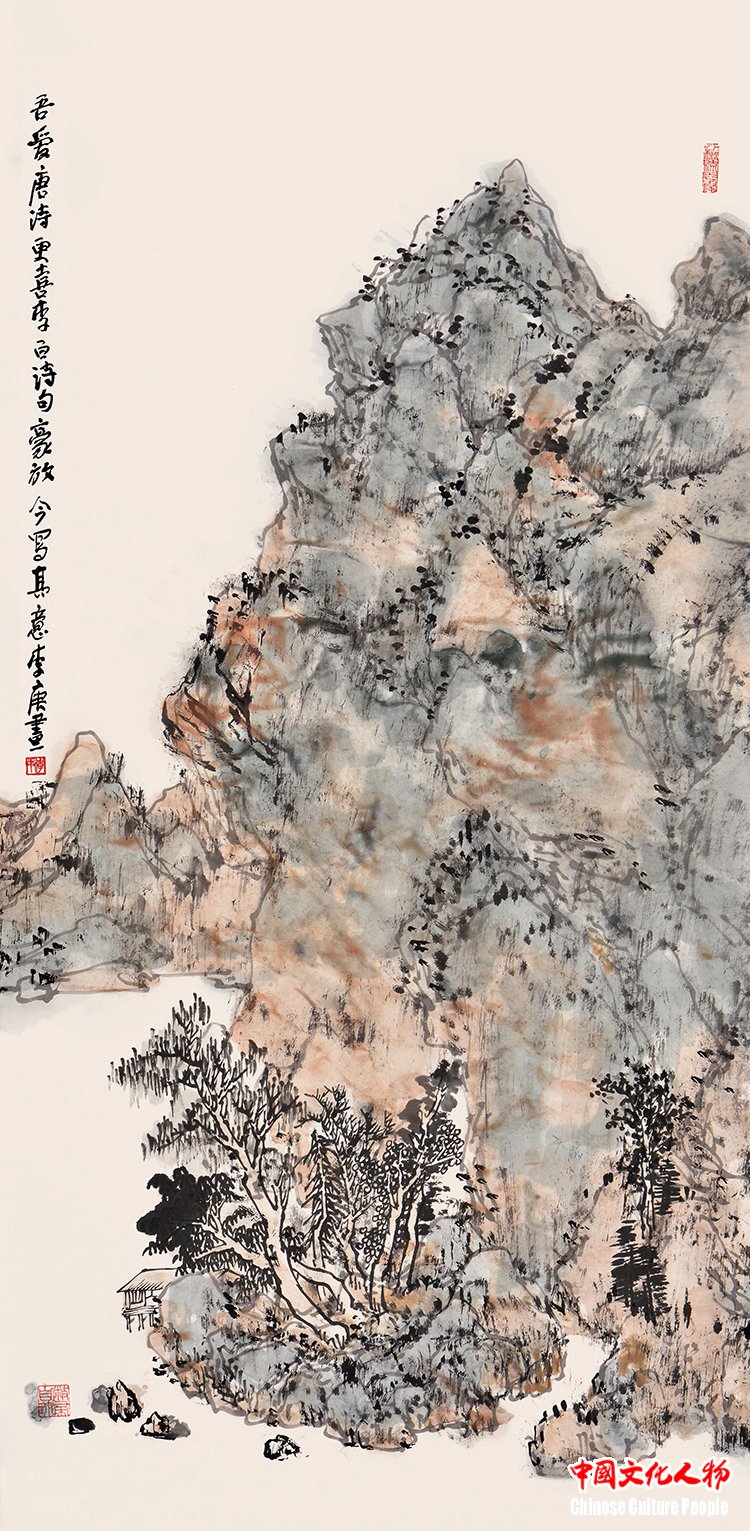
I Love Tang Poetry, and I Love Li Bai's Poems 138x69cm by Li Geng
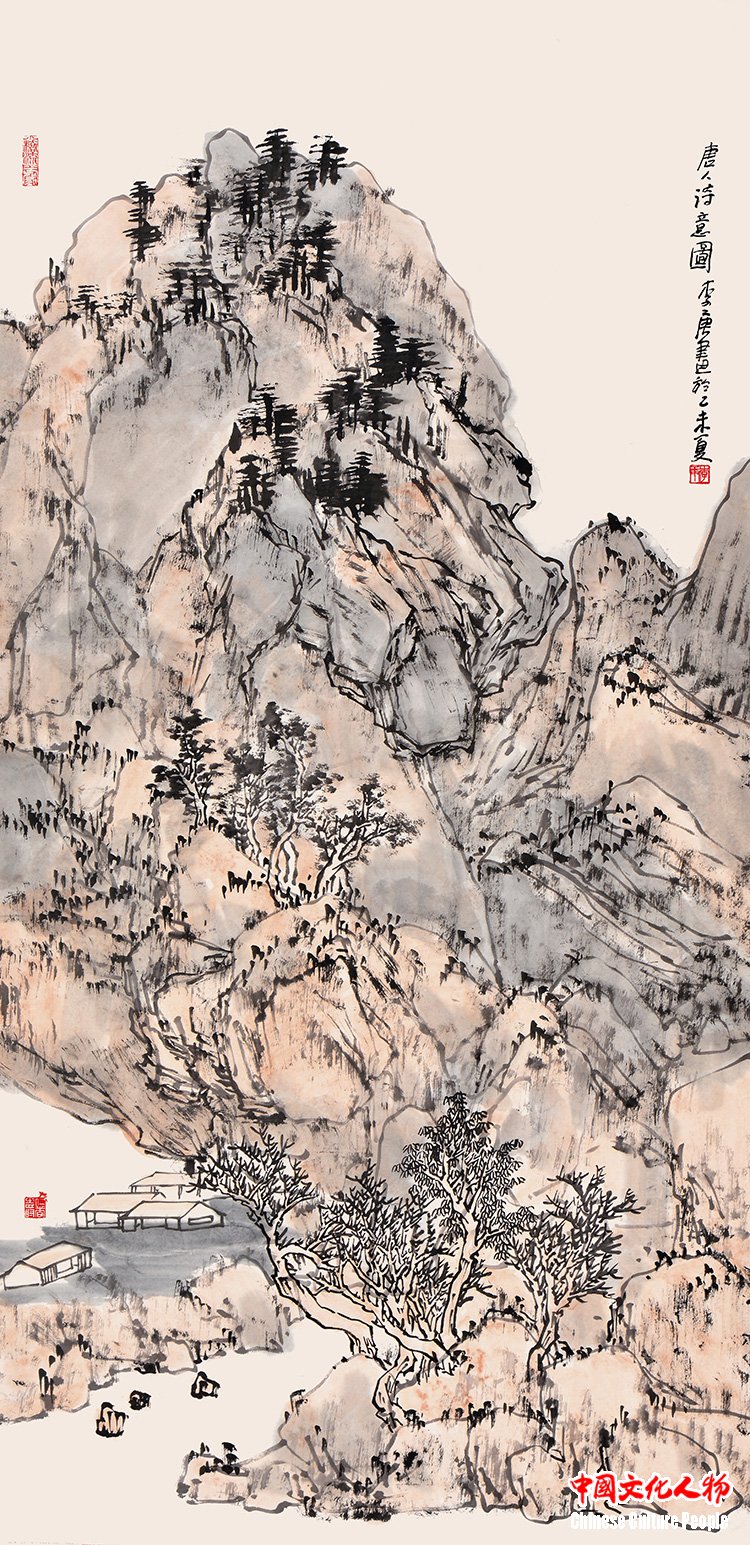
Tang Poetry and Painting 138x69cm by Li Geng
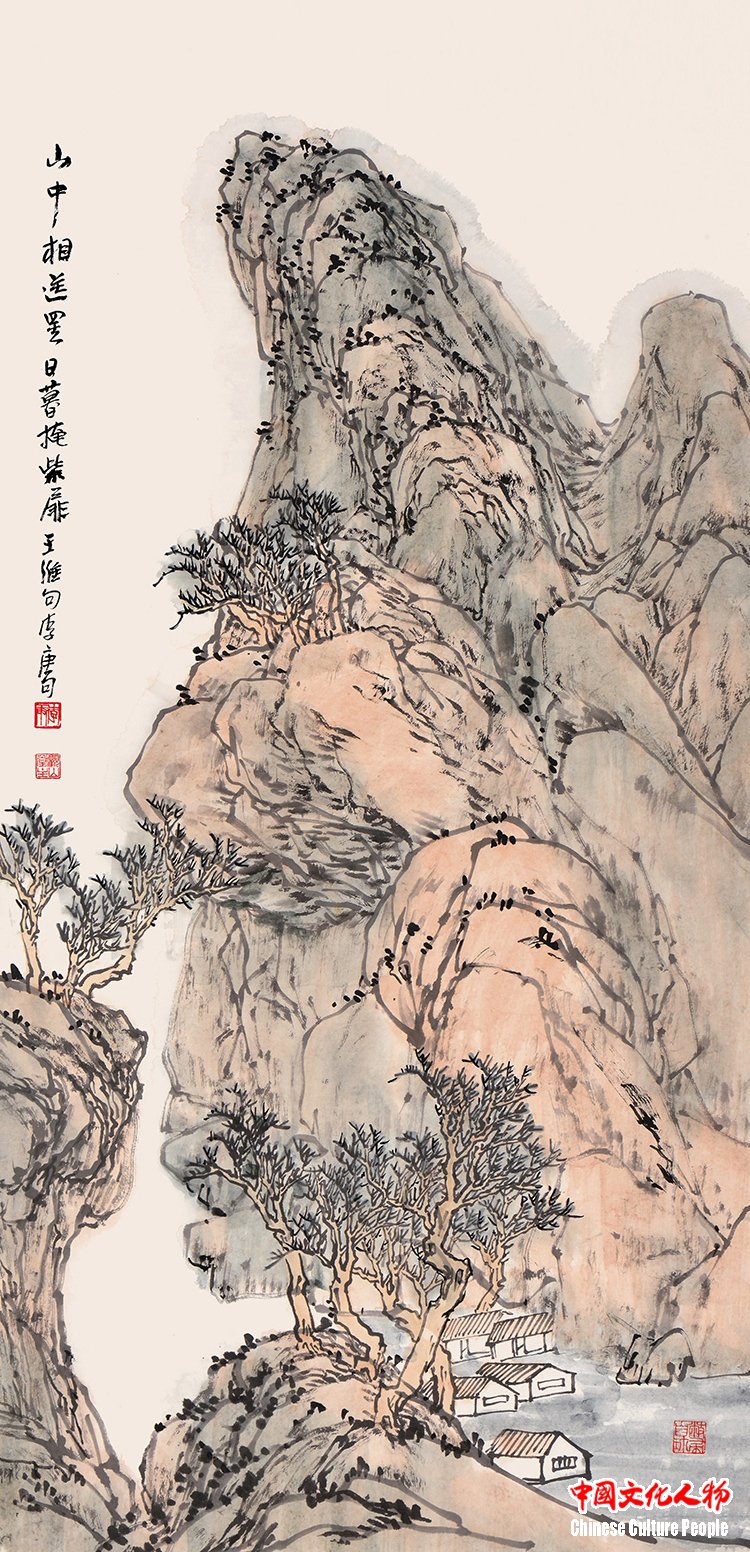
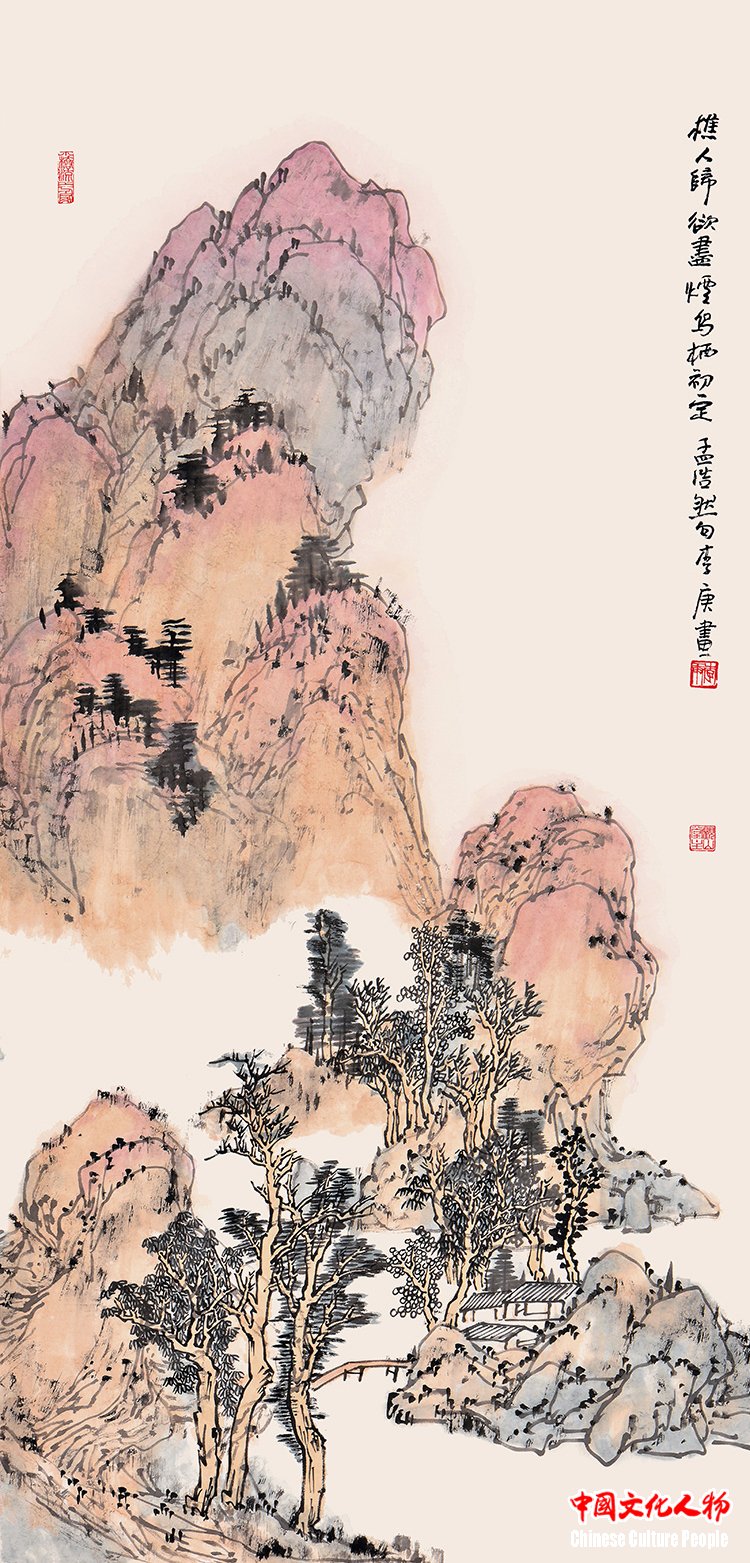
Having Seen You Off Among the Hills, I Close My Thatch Gate at Dusk 138x69cm by Li Geng
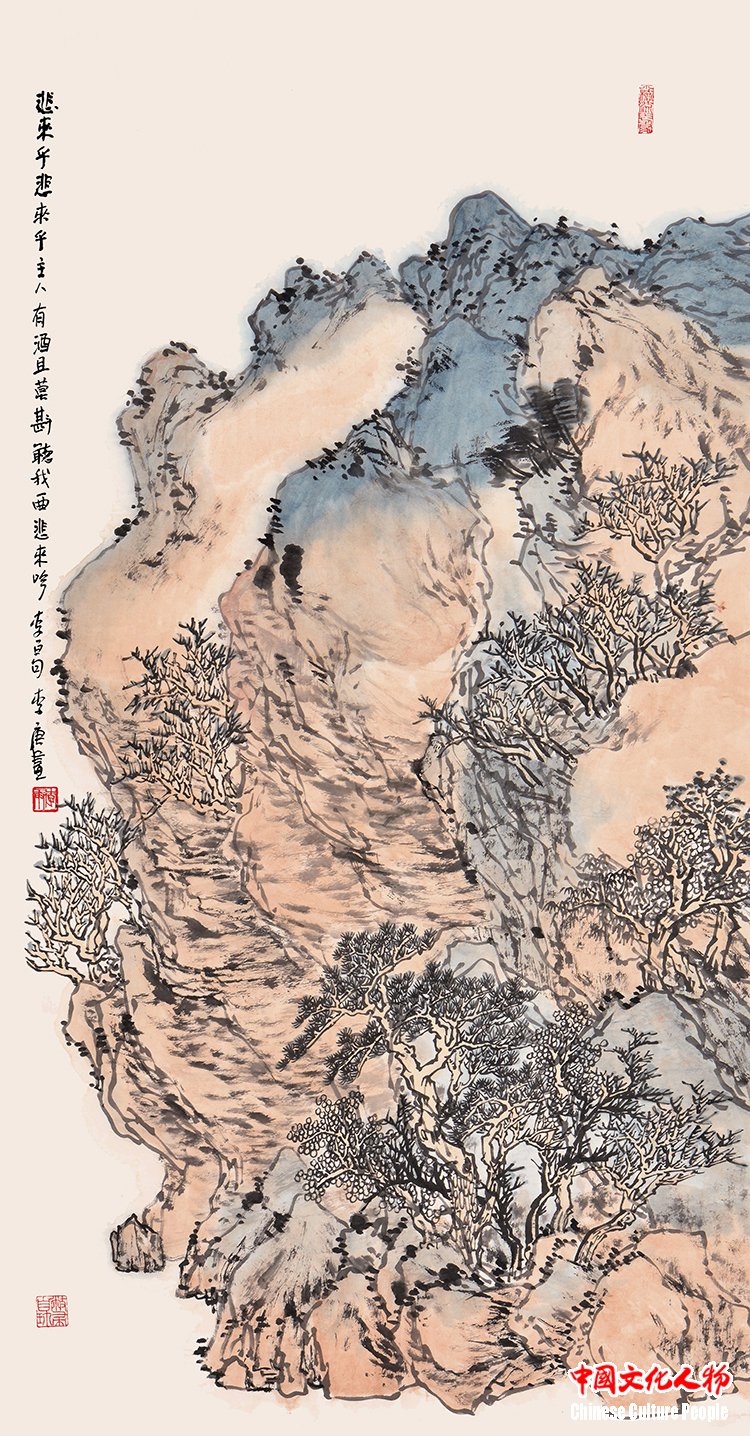
Grief Comes, Grief Comes—Spare Me the Wine 138x69cm by Li Geng
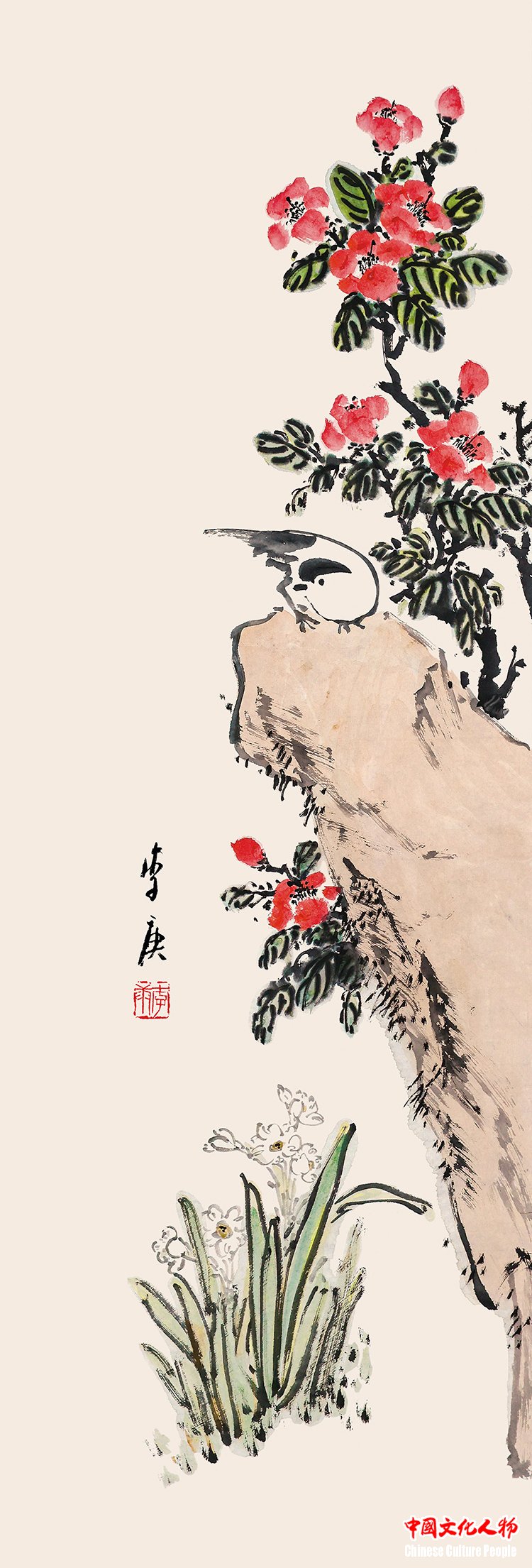
Flower-and-bird Paintings by Li Geng
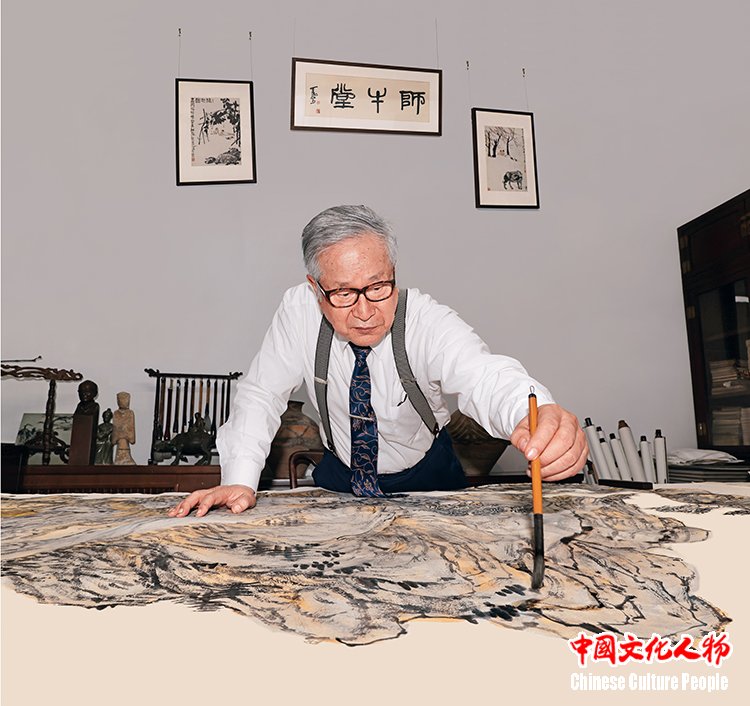
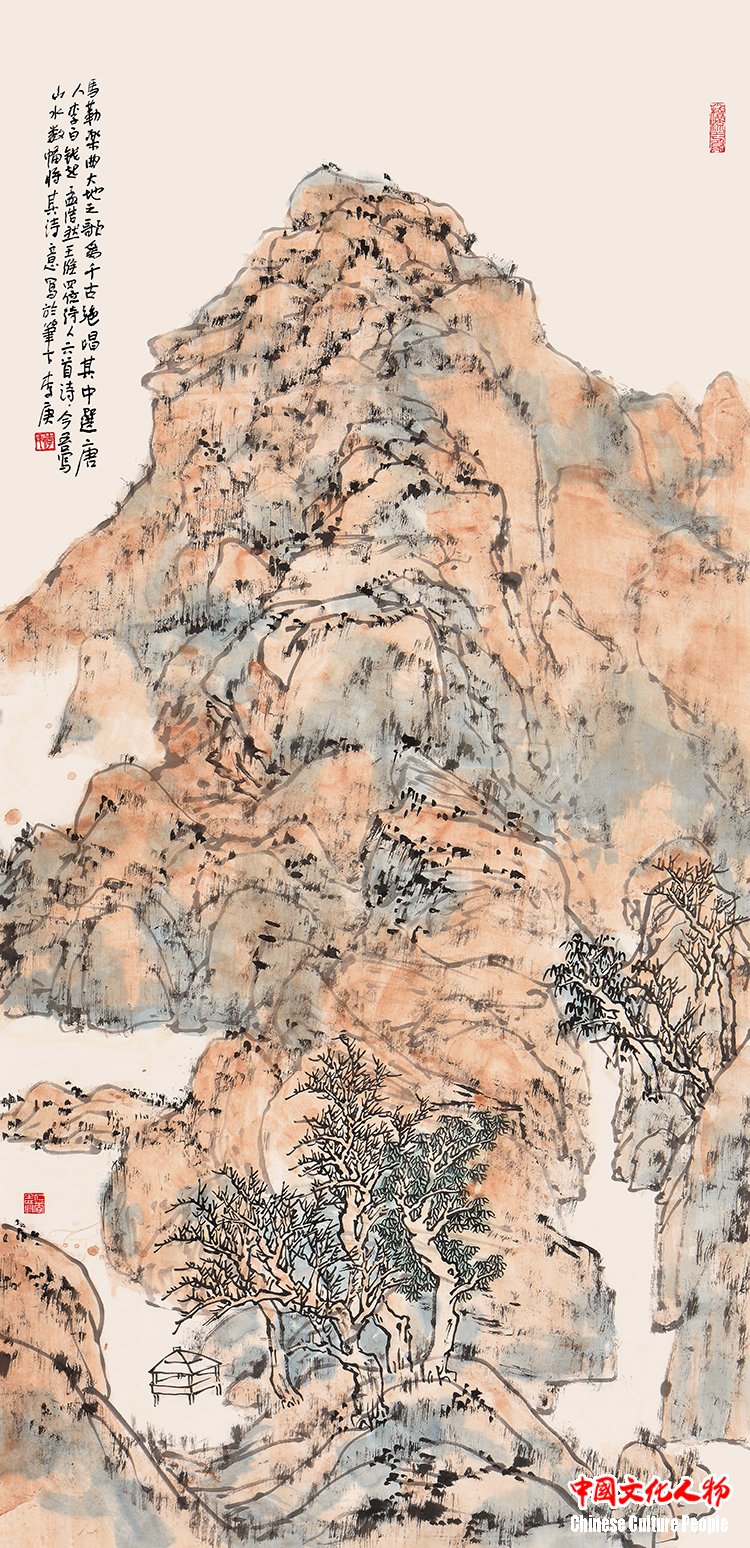
Li Geng integrates the artistic conception of Tang poetry into his ink wash paintings. Through the layers, void and substance, and density of brush and ink, he reconstructs the poetic scenes of classic verses. His works are not only visual interpretations of the text but also profound expressions of Chinese aesthetic spirit and cultural essence.
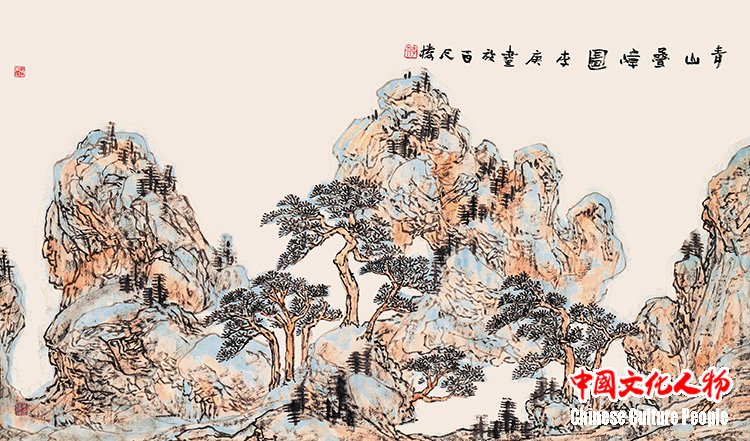
Landscape Paintings by Li Geng
(Wang Baosheng, Editor-in-Chief of Chinese Cultural Figures) Civilization stands as the hallmark of progress for a country and a nation. For over 5,000 years, Chinese civilization has been like a mighty river, surging forward with unstoppable momentum. It has weathered countless storms yet endured unbroken, grown ever more vibrant through trials and tribulations, and written a magnificent chapter in the annals of human civilization. At the Symposium on Cultural Inheritance and Development, General Secretary Xi Jinping emphasized: “At this new starting point, we should advance cultural prosperity, build a culturally strong nation, and develop a modern Chinese civilization. This constitutes our cultural mission in the new era.” He further urged: “We must strengthen cultural confidence, shoulder our responsibilities, strive for excellence, and work together to create a new culture that belongs to our era and build a modern civilization of the Chinese nation.” These words chart the course and provide fundamental guidance for bolstering cultural confidence and self-improvement, better fulfilling the new cultural mission of the new era, and steadily advancing the development of a modern civilization of the Chinese nation and a strong socialist culture.
As the son of the art master Li Keran, a contemporary ink painter and a veteran cultural exchange envoy, Li Geng is also a devoted practitioner of Xi Jinping Thought on Culture. Through his artistic practice, he vividly interprets the era’s demands of “upholding cultural confidence, staying true to the fundamentals while blazing new trails, and promoting mutual learning among civilizations”. On April 29,2022, the “Ink Rhythm—Li Geng Ink Works Exhibition”, hosted by the National Art Museum of China, grandly opened in Beijing. As part of the museum’s academic invitation series, the exhibition, themed “Rhythm of Sound and Painting”, featured over 30 works that range from modern abstract styles to classical realistic styles. In the preface he wrote for the exhibition, Wu Weishan, an internationally renowned sculptor, vice chairman of the Central Committee of the China Democratic League, vice chairman of the China Artists Association, and former director of the National Art Museum of China, accurately outlined Li Geng’s artistic growth trajectory and cultural commitment: “Through his rich creative practice, Li Geng has gained insights into the causes and intrinsic qualities of various schools. In both concept and action, he has stepped beyond his native artistic roots. After roaming the global art scene, he has finally returned to his cultural origin. Mr. Li Geng has experienced the journey of seeing mountains as mountains, seeing mountains as not mountains, and seeing mountains as mountains.” From the artistic cradle of Beijing’s Dayabao Hutong to the international art stage, from the splendid brushwork showcased in the “Ink Rhythm” exhibition to his lifelong artistic pursuit, Li Geng’s artistic journey has resonated with the inheritance and development of China’s outstanding traditional culture and aligned with the tide of exchanges and mutual learning between Chinese and foreign civilizations. With the broad-mindedness of “staying true to our roots, embracing the outside world, and looking toward the future”, he has written a new chapter of responsibility and commitment for artists in the new era on the path of cultural inheritance and innovation. His works provide a valuable practical example for better fulfilling new cultural missions and striving to compose a new chapter of modern Chinese civilization.
Family Art Legacy: Cultural Immergence in the Small Painting Table
In 1950, Li Geng was born in Beijing’s Dayabao Hutong, a compound he calls “a well-deserved artistic treasure land” that gathered many great masters in modern Chinese art history. His father, Li Keran, was an innovator and towering figure who revolutionized the centuries‑old conventions of Chinese painting, and the first artist to introduce light and shadow into Chinese landscape painting. Driven by the original aspiration to “create portraits for the mountains and rivers of the motherland”, he breathed new look and new life into traditional Chinese landscape painting. His mother, Ms. Zou Peizhu, was a renowned sculptor who sketched the spirit of the times with precise modeling and profound sentiment. His neighbors were artistic luminaries such as Li Kuchan, Huang Yongyu, and Zhang Ding. Immersed in such an artistic atmosphere, Li Geng’s original aspiration for painting was deeply imprinted with the heritage of Chinese civilization from the very beginning. The name “Li Geng”, personally given by the great master Qi Baishi, is more like a weighty cultural entrustment that destined his lifelong bond with traditional Chinese art.
At the age of three, Li Geng began his artistic journey under the mentorship of his father, Li Keran. At his small painting table, he watched his father masterfully build up landscapes through layered ink washes, and perceived the subtle interplay of light and shadow as the brushstrokes blended into the rice paper. This immersion allowed him to grasp the spirit of diligent pursuit and profound patriotism embodied in the “Li School Landscape” tradition. Li Keran often reminded him: “Don’t rely on talent; be a diligent learner.” These words became a guiding light, illuminating Li Geng’s artistic path from childhood. He came to understand that true artistic achievement stems not from natural gifts, but from relentless practice and a profound understanding of tradition.
At the age of six, Li Geng studied ink painting under Li Kuchan. As a master of freehand flower-and-bird painting, Li Kuchan incorporated the philosophy of “brush and ink should follow the times” into his teaching, enabling Li Geng to grasp the essence of Chinese ink painting— “capturing the spirit through form” —in every free and vigorous brushstroke. At seven, he practiced watercolor under Huang Yongyu. Through artistic practice that blended Chinese and Western approaches, he further broadened his understanding of color and form, and gained a deeper appreciation for the inclusive nature of Chinese art. The meticulous guidance from these artistic masters was more than a merel accumulation of techniques. Immersed in diverse artistic styles, Li Geng gradually came to grasp the core spirit of Chinese art: the majestic and weighty landscapes of Li Keran, the vigorous and unrestrained flower-and-bird paintings of Li Kuchan, or the lively and vivid works of Huang Yongyu, all stem from a profound understanding and precise expression of traditional Chinese culture.
In Li Geng’s memory, the childhood years in Dayabao Hutong were steeped in the vibrant energy of art. Great masters would often gather to discuss artistic concepts, where the clash of ideas during their brushwork sessions and cultural interpretations during post-meal conversations became his most profound artistic awakening. He not only mastered painting techniques but also absorbed the masters’ devout attitude toward art and profound devotion to traditional culture through constant exposure. Such family legacy and environmental influence allowed Li Geng to take root in the fertile soil of Chinese cultural legacy from an early age, laying a solid foundation for his later artistic creations and cultural inheritance. It also made “carrying forward tradition” a cultural consciousness ingrained in his very being.
Rising to Fame in Youth: Cultural Confidence in the Brushwork
The profound influence of tradition soon translated into the fruitful achievements of Li Geng’s artistic practice. The combination of talent and diligent study made him stand out at a young age, showcasing the unique charm of Chinese traditional ink painting on the art stages at home and abroad, and offering a vivid testament to the vitality of China’s excellent traditional culture. At the age of nine, Li Geng won the gold medal in the National Children’s Painting Competition with his solid brushwork skills and unique artistic insight. At fourteen, he even represented China at the World Youth Art Festival, standing out on the global platform of artistic exchange and taking home a major award.
Behind his early fame lay Li Geng’s diligent study and precise grasp of traditional brushwork. Under his father’s strict guidance, he began by copying from the Jieziyuan painting manual, honing his basic skills stroke by stroke and delving into the composition, brushwork, and aesthetic beauty of traditional painting. As a classic textbook of China’s traditional painting, the Jieziyuan painting manual embodies the artistic wisdom of generations of painters and remains an essential path for learning Chinese traditional painting. Through repeated copying, Li Geng not only mastered the basic techniques of landscapes, flowers and birds, and figure painting, but also grasped the core underlying Chinese aesthetic spirit within: the pursuit of harmony between humanity and nature, the emphasis on rhythmic vitality, and the creative principle of “drawing inspiration from the external world and expressing one’s inner vision.”
The experience of winning an award at the World Youth Art Festival at the age of 14 is particularly carries particular significance.. At that time, Western artistic styles dominated the international art scene, yet Li Geng’s entry remained committed to the artistic language of traditional Chinese ink painting. With vivid brushwork and profound artistic conception, it presented the unique allure of Chinese landscape painting. This Eastern artistic expression, which transcended cultural barriers to gain international recognition, fully demonstrates the strong vitality and unique appeal of China’s excellent traditional culture. For Li Geng, this award was more than a recognition of his personal artistic achievements; it deepened his appreciation for the profound heritage and endless charm of Chinese traditional culture, and further strengthened his confidence and determination to inherit and promote Chinese traditional art.
Despite rising to fame at a young age, Li Geng never slackened in his pursuit of art. Instead, he came to understand his father’s teaching: “Don’t rely on talent; be a diligent learner.” He knew full well that youthful achievements were merely a starting point. To truly carry forward Chinese cultural legacy, he would have to dedicate himself to far more rigorous effort and delve even deeper into traditional art. This clear-eyed understanding kept him humble and eager to learn throughout his growth. He continued to strengthen his foundation in tradition, laying down rich and solid groundwork for his future artistic creations and cultural legacy.
Deep in Tradition: Lifelong Devotion to Cultural Roots
If the learning and awards in his youth were a preliminary understanding and practice of tradition, Li Geng in his adulthood devoted his entire life to the meticulous cultivation of China’s excellent traditional culture. Through in-depth research on poetic charm of the Tang Dynasty, the Jieziyuan painting manual and other treasures of Chinese art, he continuously explored the “beauty of artistic conception” and the “soul of brushwork” in Chinese ink painting, adhering to the subjectivity of Chinese culture and solidifying the cultural foundation of artistic creation.
Master Li Keran once said that the vitality of China’s traditional landscape painting lies in continuous innovation, yet innovation must be built upon a profound understanding of tradition. Li Geng fully embraces this principle. He has always placed the study of tradition at the forefront of his artistic creation, with a particular emphasis on interpreting and expressing the poetry of the Tang Dynasty. As a dazzling gem of traditional Chinese culture, Tang poetry carries rich artistic conception and profound emotion, which align closely with the “beauty of artistic conception” pursued in Chinese ink art. Through layers of dark and light ink, emptiness and substance, density and spacing, he vividly brings to life on rice paper the majestic grandeur of “A wisp of smoke rises straight from the desert; the long river sets beneath the round sun”, and the serene tranquility of “The bright moon shines among the pines; clear springs flow over the stones”. His works are not only visual transformations of Tang poetry, but also profound interpretations of the Chinese aesthetic spirit and cultural connotations they contain.
As a classic model in Chinese traditional painting, the Jieziyuan painting manual became Li Geng’s lifelong research focus. He regarded it not merely as a technical manual for mastering traditional painting techniques, but as a vital medium for understanding China’s classical aesthetic philosophy. To fully explore its artistic value and cultural significance, Li Geng devoted extensive time to collecting materials and conducting systematic research, even carrying out special investigations into the manual’s influence on world art. He believed that the composition principles, brushwork techniques, and artistic conception embodied in the Jieziyuan painting manual represent the essence of Chinese traditional painting and a crucial manifestation of Chinese cultural identity. Through in-depth study of this manual, Li Geng clarified the developmental trajectory of traditional Chinese painting and gained a precise grasp of the core principles of traditional brushwork, thereby infusing his artistic creations with profound traditional legacy.
In his long-term artistic practice, Li Geng deeply realized that the charm of Chinese ink art lies not only in the exquisite techniques but also in the philosophical thoughts and cultural connotations behind them. China ink art emphasizes “the interplay of void and substance” and “the fusion of scene and emotion”, pursuing a poetic realm where words end yet meaning lingers. This aesthetic ideal is entirely consistent with the the philosophical thought of “harmony between heaven and humanity” in traditional Chinese culture. In his creative work, Li Geng always focuses on integrating this philosophical thought into his brushwork expression, endowing his paintings not only visually appealing but also rich in cultural depth. His use of ink and brushstrokes not only inherits Li Keran’s artistic characteristics of “layered ink application, rich and moist luminosity, radiating light from within misty depths”, but also incorporates his profound understanding of traditional brushwork, thus forging a unique artistic style. As Wu Weishan said, Li Geng “mastered brushwork through arduous striving, honed his skills through relentless practice, and astonished the art world with his Li School Landscape paintings.” Such admiration and astonishment stem precisely from his profound understanding and precise expression of tradition.
The Contemporary Practice of Cultural Confidence
For over three decades of overseas academic exchanges, Li Geng has steadfastly rooted himself in Chinese traditional culture. While embracing Western culinary traditions, joining international teams, and teaching as a foreign educator, he remains committed to preserving indigenous legacy: preserving traditional Chinese ink art and fostering cultural exchange between China and the world. During his tenure in Japan, he revived the university ink painting curriculum abolished during the Meiji Restoration’s “de-Asianization and Eurocentrization” policy, integrating Chinese ink art into Japan’s art education system. In Germany, he delivered lectures on Eastern art, vividly demonstrating the essence of Chinese ink through brushwork to Western audiences. Even in foreign lands, Li Geng firmly upheld the stance of Chinese culture. Through dialogue and interaction with Western art, he gained an even deeper understanding of the unique value of China’s outstanding traditional culture, and his cultural confidence grew ever stronger.
In his preface, Wu Weishan wrote: “Setting out from the Li School landscapes, he traveled across East and West, sought wisdom from other mountains, journeyed through wind and rain, and finally returned to his native mountains. Mr. Li Geng has gone through the three stages of enlightenment: first, seeing mountains as mountains; then, seeing mountains not as mountains; and at last, seeing mountains once again as mountains.” This “return” was not merely a geographical return, but a profound cultural reconnection and elevation. Having witnessed the vicissitudes of the art world, Li Geng ultimately grasped: “The ancients ‘theory of the five colors of ink encapsulates the spectrum of natural light and hues. With philosophical poetic quality, through layers of accumulated ink that are thick, moist, and lush, it radiates light from the obscurity—this is what is called ‘The East Glows White’.” This insight reflects his deep understanding of the core values of Chinese traditional culture and epitomizes his cultural confidence.
Against the backdrop of the new era, Li Geng’s artistic journey offers us precious enlightenment: only by upholding the stance of Chinese culture and deeply rooting ourselves in the fertile soil of fine traditional Chinese culture can we stand firm in artistic creation, highlight Chinese values and spirit in cultural inheritance and exchange, and contribute to forging new glories of Chinese culture and building a modern civilization of the Chinese nation.
(Editors: Liu Sheng, Zhang Yan)
 文化大家
文化大家